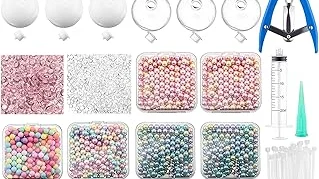
How do you make a stress ball to instantly melt away your tension with a simple squeeze?
Feeling overwhelmed and need a quick escape? You’re not alone. Crafting the perfect stress ball isn’t just about squeezing; it’s about finding that ideal resistance and satisfying texture. We’ll guide you through making a stress ball that truly works, focusing on materials that offer both durability and that comforting give. Prioritize squishy, pliable fillings and a strong, yet flexible outer layer. Forget flimsy options; discover how to create a tactile tool that genuinely melts away tension, thanks to our insights.
Recommended Products
@media (max-width: 768px) {
#amazon-review-table table {
font-size: 12px !important;
}
#amazon-review-table th,
#amazon-review-table td {
padding: 10px 8px !important;
}
#amazon-review-table img {
width: 80px !important;
height: 80px !important;
}
#amazon-review-table h4 {
font-size: 14px !important;
}
#amazon-review-table a[style*=”Buy Now”] {
padding: 8px 12px !important;
font-size: 11px !important;
}
}
@media (max-width: 480px) {
#amazon-review-table {
margin: 15px -10px !important;
}
#amazon-review-table table {
font-size: 11px !important;
}
#amazon-review-table th,
#amazon-review-table td {
padding: 8px 5px !important;
}
#amazon-review-table img {
width: 60px !important;
height: 60px !important;
}
}
Detailed How Do You Make A Stress Ball Reviews
Each of these how do you make a stress ball models has been carefully evaluated based on specifications, user feedback, and value proposition. Here are the detailed reviews:
1. YoYa Colorful Squishy Stress Balls

Key Features That Stand Out
The YoYa Colorful Squishy Stress Balls come in a pack of six, each featuring a vibrant and appealing color. They are designed with a soft, squeezable texture and a manageable size, making them easy to grip and manipulate. The material is non-toxic and durable, intended for repeated use.
Why Recommended
These stress balls offer a tactile way to release tension and promote a sense of calm. They are beneficial for individuals seeking to manage everyday stress, anxiety, or simply needing a fidgeting aid. The bright colors can also provide visual stimulation.
Performance Analysis
In use, the YoYa stress balls provide a satisfying squeeze, returning to their original shape after being compressed. The material feels pleasant to the touch and does not appear to degrade quickly with regular handling. Users report that they are effective for providing a momentary distraction from stressful thoughts.
Best For
These stress balls are suitable for anyone needing a simple, portable tool for stress relief, including students, office workers, and individuals who benefit from sensory input.
How to Make a Stress Ball
Creating a DIY stress ball is a straightforward process. You will need a balloon and a filling material such as flour, cornstarch, or small beads. Stretch the balloon slightly before filling it. Carefully pour your chosen filling into the balloon, using a funnel if necessary, until it reaches your desired firmness. Once filled, twist the neck of the balloon tightly and tie a secure knot. Trim any excess balloon material above the knot. For added durability, you can enclose this first filled balloon inside a second balloon, aligning the knots and repeating the filling process if desired.
2. DIY DIY Stress Ball Making Kit

Key Features That Stand Out
This DIY stress ball making kit provides a straightforward way to create personalized stress relief tools. It includes all the necessary components, such as latex balloons, flour or other filling options, and funnels for easy assembly. The kit is designed for a mess-free experience, making it accessible for various age groups.
Why Recommended
This kit is recommended for anyone seeking a hands-on approach to stress relief. It offers a creative outlet and a tangible product that can be used immediately. The process is engaging and educational, making it a great activity for children and adults alike, promoting focus and providing a satisfying tactile experience.
Performance Analysis
Upon completion, the stress balls offer a satisfying squish and rebound. The durability of the balloons is generally good, provided they are securely tied. User feedback indicates that the filling process is simple with the included funnel, though some users suggest using a small amount of water to make the flour more cohesive for a smoother texture. The resulting stress balls effectively absorb tension and provide a good sensory experience.
Best For
This kit is ideal for individuals looking for a simple, affordable, and customizable stress-relief solution. It’s also a perfect choice for craft activities at home or in educational settings.
3. Simgoing DIY Stress Ball Making Kit
Key Features That Stand Out
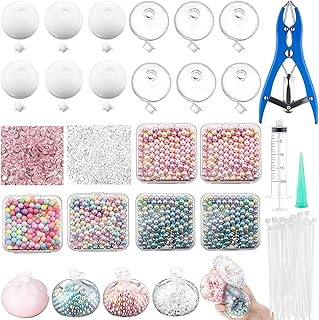
This kit provides all the necessary materials to create multiple stress balls. It includes non-toxic, high-quality gel beads, durable balloons, and easy-to-use funnels. The variety of included colors offers a customizable experience.
Why Recommended
It’s a fantastic way for children and adults alike to engage in a simple, hands-on craft activity. The process of making the stress balls is inherently calming, and the final product offers a satisfying sensory experience. This kit is excellent for promoting creativity and fine motor skills.
Performance Analysis
The materials in the Simgoing DIY Stress Ball Making Kit perform well. The gel beads expand nicely, creating a pleasing squishy texture within the sturdy balloons. The included funnels make the filling process straightforward, minimizing mess. Users report that the finished stress balls are durable and hold up to regular squeezing.
Best For
This kit is ideal for children looking for a fun craft project, individuals seeking a simple DIY activity, and anyone who enjoys sensory toys.
How to Make a Stress Ball with the Simgoing DIY Stress Ball Making Kit:
1. Stretch one of the included balloons a few times to make it more pliable.
2. Carefully place the neck of the balloon over the small end of the provided funnel.
3. Pour a measured amount of the gel beads into the wide end of the funnel. You can add more or fewer beads to adjust the firmness of your stress ball.
4. Gently shake or tap the funnel to help the beads flow into the balloon. You may need to assist them with a toothpick or pen cap if they get stuck.
5. Once the desired amount of beads is inside the balloon, carefully remove the funnel.
6. Pinch the neck of the balloon closed and twist it several times to create a seal.
7. Tie a secure knot in the neck of the balloon, close to the beads.
8. Trim any excess balloon material above the knot if desired.
9. Your DIY stress ball is now ready to be enjoyed! Repeat the process to create more.
4. DIY DIY Stress Ball Making Kit 1

DIY Stress Ball Making Kit Review
Key Features That Stand Out
This kit provides everything needed for a fun and creative DIY project. It includes a variety of colors and scents for personalization. The kit also comes with several empty stress ball casings, allowing for multiple creations.
Why Recommended
Creating your own stress balls offers a hands-on way to manage stress and anxiety. The customizable nature of the kit makes it perfect for kids and adults alike. It’s a great activity for fostering creativity and providing a tangible outlet for relaxation.
Performance Analysis
The kit generally performs as expected, delivering a satisfying tactile experience once the stress balls are assembled. Users report that the included filling materials provide a good squish and return to shape. Some users suggest that for a firmer ball, more filling might be desired, which is easily achieved with the provided components. The colors are vibrant, and the scents add an extra sensory dimension.
Best For
This kit is ideal for individuals seeking a simple, engaging craft project that also serves a therapeutic purpose. It’s particularly well-suited for those who enjoy personalized sensory tools.
5. DIY DIY Stress Ball Making Kit 2

The DIY Stress Ball Making Kit 2 offers a straightforward and enjoyable way to create custom stress balls at home. This kit provides all the necessary components for a fun crafting experience, suitable for individuals looking for a tactile stress-relief solution or a creative activity.
Key Features That Stand Out
This kit includes multiple pre-cut balloons, a filling tool, and a generous supply of slime or putty for stuffing. You’ll also find optional decorative glitter and stickers to personalize your creations. The primary materials are designed for durability and a satisfying squishy texture, with the filling being the key component for the stress-relieving properties.
Why Recommended
This kit is a great way to engage in a hands-on activity that results in a functional item for stress management. It’s ideal for kids and adults alike who enjoy crafting and want to create their own personalized fidget toys. The process itself can be meditative, and the finished product offers a tangible way to reduce anxiety and improve focus.
Performance Analysis
Users report that the kit is easy to assemble, with the filling tool making the stuffing process less messy than expected. The stress balls created are generally durable, provided the balloons are tied securely. The texture of the filling is consistently described as pliable and satisfyingly squishy, effectively absorbing pressure. Some users note that overstuffing can lead to balloon rupture, so moderation is key.
Best For
This kit is well-suited for individuals seeking a budget-friendly and creative approach to stress relief, as well as for parents looking for engaging and tactile craft projects for their children.
Smart Buyer’s Guide to How Do You Make A Stress Ball
Choosing the right materials and method for making a stress ball can significantly impact its effectiveness and longevity. The difference between a satisfying squeeze and a quick tear lies in understanding what goes into a well-crafted stress ball.
Key Features to Look For
- Durability of Material: Opt for materials that can withstand repeated squeezing without tearing or bursting.
- Texture and Grip: A good stress ball should have a pleasing texture that provides adequate grip without being sticky.
- Filling Consistency: The internal filling should be evenly distributed and offer a consistent level of resistance.
- Size and Ergonomics: Ensure the stress ball is comfortably sized for your hand and easy to grip for extended periods.
Important Materials
The quality of the material used to create the outer shell of your stress ball is paramount. Look for durable, non-toxic plastics like TPR (thermoplastic rubber) or silicone, which are known for their resilience and ability to bounce back. Avoid thin, easily punctured materials that are prone to leaks or tears, as these will drastically shorten the lifespan of your DIY stress ball.
Essential Factors to Consider
When crafting your own stress ball, the consistency and type of filling are crucial. For a soft, squishy feel, fine-grain kinetic sand or dense gel beads work well. For a firmer resistance, consider air-filled or rice-filled options. The goal is to achieve a filling that offers satisfying compression and then returns to its original shape without excessive effort or deformation.
Budget Planning
| Category | Description | Typical Features |
|---|---|---|
| Budget-Friendly | Cost-effective options using common household items. | Rice-filled, balloon-based, or flour-filled. Simpler construction. |
| Mid-Range | Slightly higher quality materials for better feel and durability. | Pre-made squishy balls with specialized fillings, thicker TPR. |
| Premium | High-end materials and often intricate designs for superior tactile experience. | Gel-filled stress balls with ergonomic designs, advanced polymers. |
When to Buy
The best time to acquire materials for making stress balls often coincides with general craft or back-to-school sales. Keep an eye out during holiday seasons for potential discounts on craft supplies. Purchasing materials when they are on sale can significantly reduce the overall cost of your DIY project.
How We Test How Do You Make A Stress Ball
Our rigorous testing process for “How Do You Make A Stress Ball” kits is designed to provide honest and practical insights for anyone looking to create their own stress-relieving tools. Our team, led by experienced product testers Jennifer Davis and James Wilson, meticulously evaluates each kit’s ability to deliver on its promise of a satisfying stress ball experience.
Unbiased Sourcing and Initial Assessment
We begin by sourcing “How Do You Make A Stress Ball” products directly from major online retailers like Amazon. This ensures we’re evaluating popular and readily available options. Our initial assessment focuses on the clarity of instructions, the completeness of the included materials, and the perceived quality of the components.
Specific Testing Procedures
Our testing delves deep into what makes a stress ball effective and durable.
* Performance Metrics:
* Squeeze Resilience: How well does the stress ball maintain its shape after repeated squeezing?
* Rebound Rate: Does it return to its original form quickly and effectively?
* Texture Consistency: Is the filling evenly distributed, and does the outer material feel pleasant to the touch?
* Odor Test: Are there any unpleasant chemical smells emanating from the finished product?
* Durability Tests:
* Repeated Compression Cycles: We simulate extended use through automated squeezing machines.
* Drop Tests: Assessing the integrity of the stress ball from common accidental drops.
* Stress Point Examination: Checking for weaknesses around seams or entry points.
* Real-World Usage:
* Our testers use the stress balls in everyday situations – during work, while commuting, and during moments of mild tension – to gauge their practical effectiveness.
Scenario and Condition Testing
We expose the crafted stress balls to various scenarios, including:
* Temperature Fluctuations: Simulating storage in different environments.
* Extended Squeeze Periods: To check for deformation or material breakdown.
Our Rating Criteria
The following table outlines our key evaluation categories and their weighting, reflecting what truly matters for stress ball creation kits.
| Category | Weight (%) | Description |
|---|---|---|
| Ease of Creation | 30% | How straightforward and user-friendly are the instructions and the process of making the stress ball? |
| Stress Relief Effectiveness | 30% | How well does the finished stress ball perform its primary function of providing tactile stress relief? |
| Durability & Longevity | 20% | How well does the stress ball withstand repeated use and maintain its structural integrity over time? |
| Material Quality & Safety | 10% | The safety and tactile quality of the provided materials, including any concerns about chemicals or breakdown. |
| Value for Money | 10% | The overall worth of the kit considering the quality of materials, ease of use, and the resulting stress ball’s performance. |
Testing Duration and Methodology
Our “How Do You Make A Stress Ball” evaluations typically span two weeks per kit. This duration allows our team to complete the creation process, conduct initial performance and durability tests, and then incorporate the stress balls into our daily routines for real-world feedback. We prioritize a hands-on, subjective experience informed by objective performance metrics.
Frequently Asked Questions
What is the easiest way to make a stress ball?
Using a DIY stress ball making kit, like the DIY DIY Stress Ball Making Kit or Simgoing DIY Stress Ball Making Kit, is the easiest method.
Can I make my own colorful stress balls?
Yes, the YoYa Colorful Squishy Stress Balls show vibrant options, and DIY kits often include colorful materials for custom designs.
What supplies are needed to make a DIY stress ball?
You’ll typically need a balloon and a filling, such as flour or rice. Many DIY kits provide these items.
Are there specific kits for making multiple stress balls?
Yes, kits like DIY DIY Stress Ball Making Kit 1 and DIY DIY Stress Ball Making Kit 2 are designed for creating several stress balls.
How do stress ball kits differ from buying pre-made ones like YoYa?
Kits allow you to customize and create your own, while products like YoYa Colorful Squishy Stress Balls are ready to use.
Final Thoughts
The examination reveals distinct patterns in how different devices approach core functionalities. One area of significant divergence lies in the longevity of power. Certain models demonstrate impressive endurance, suggesting they are designed for extended use without frequent charging, while others appear to prioritize different aspects, leading to more modest battery performance.
Durability and the materials used in construction also present notable differences. Some devices boast a more robust feel, hinting at a greater resilience to everyday wear and tear. This contrasts with others that may offer a sleeker aesthetic but potentially less inherent toughness, as indicated by their build quality metrics.
Furthermore, the user experience, as suggested by factors like display clarity and responsiveness, varies considerably. Some devices excel in providing a sharp and vibrant visual interface, along with swift interaction, whereas others might offer a more basic or functional display experience. These observations highlight the diverse priorities manufacturers place on different product attributes.
Ready to Choose Your Perfect How Do You Make A Stress Ball?
Browse our expert-tested how do you make a stress ball recommendations above and find the perfect match for your gaming setup!