Which Soccer Cleats Are Best for Beginners and Why?

For beginners, the best soccer cleats usually match the surface first: turf shoes for artificial turf or hard ground, AG cleats for many artificial-grass pitches, and FG cleats only for natural grass. Pick the wrong outsole and you increase slipping, sore feet, and avoidable joint stress. This guide shows how to choose by surface first, then fit, foot shape, and outsole forgiveness.
Surface comes before brand, price, or looks. A beginner in the wrong outsole can feel unstable on turns, or get too much bite underfoot when the field is hard and dry. The cleat type should solve the field problem first, then the fit problem.
Choose cleats for the playing surface first
Start with the playing surface
Firm-ground cleats are usually best on natural grass fields. They are built for traction and acceleration on grass, so they make sense when most games happen there. On the right surface, FG studs help you start, stop, and cut with less wasted motion.
Turf cleats are the safer choice for artificial turf and training fields. They use a rubber outsole that spreads contact across more of the shoe, which helps grip on shorter synthetic surfaces. That makes them a practical pick for frequent training and repeated sessions on artificial ground.
Indoor soccer shoes belong on indoor courts and futsal surfaces. They use a non-marking outsole and a flatter, more flexible platform for close control. If the game is on a court, an indoor shoe is usually the cleanest match.
Multi-ground traction systems can help players who split time across more than one surface. They are useful for mixed schedules, but they are not the best answer for every field. If most sessions happen on one surface, match that surface first instead of chasing a compromise.
Say your child plays two practices a week on artificial turf and one weekend match on a grass field. A turf shoe will usually be the safer daily choice than an FG cleat, because the training load matters more than the occasional grass session. A grass-first outsole used on turf can feel overly aggressive.
Why fit matters before brand
A good beginner cleat should feel secure without pressure points. The heel should hold steady, the midfoot should feel snug, and the toes should have enough room to wiggle slightly. If the shoe hurts right away, the fit is wrong even if the label says it is a top model.
Beginners often think a tighter feel means better control. It does not. A cleat that is too narrow can pinch the forefoot, while one that is too long can let the foot slide and create blisters. Fit is part comfort and part stability.
When beginner-friendly features matter most
Budget models can still work well for beginners. Modern soccer cleats under $100 can give lightweight speed, traction, durability, and comfort. That matters because a new player usually benefits more from predictable fit and a surface-correct outsole than from expensive materials or elite-level extras.
Affordable cleats now often include cushioned insoles for comfort, breathable materials for long matches, and synthetic leather uppers that break in faster than older boots. Those features help new players get onto the field with less stiffness and less waiting time.
Surface-first cleat choices
Choose the outsole first, then narrow the search by width, budget, and how often the shoes will be worn. The wrong soleplate creates more problems than a modest difference in brand quality. Beginners who get the surface right usually make a better first purchase than those who chase a famous label.
Firm-ground cleats for natural grass
FG cleats are usually the best beginner choice for natural grass. They are designed for traction and acceleration, and they work best when most games are on grass. If your main field is a real grass pitch, FG is the default starting point.
Do not treat FG as a universal option. On turf or indoor courts, the same studs can feel too sharp or too rigid. That mismatch can make quick turns less comfortable and can increase the chance of slipping in the wrong direction.
Turf cleats for artificial turf and training fields
Turf shoes are recommended for artificial turf and indoor soccer training. They use rubber traction instead of taller studs, which makes them better for short synthetic grass and repeated practice sessions. For a beginner who trains often, that extra durability can matter.
A common first-timer mistake is buying FG cleats because the local shop has more of them in stock. Suppose the only regular field is a hard artificial turf pitch with rubber infill. An FG outsole may feel harsh, while a turf shoe gives a safer, more forgiving base.
Indoor soccer shoes for courts and futsal
Indoor soccer shoes are the right pick for indoor courts and futsal. Their non-marking outsole helps protect the floor, and the flatter profile supports quick footwork and ball control. If the game is played on a gym floor or futsal court, indoor shoes are the clearest fit.
Do not use indoor shoes as a substitute for grass cleats. They are too flat for most outdoor fields and will not give the same grip on grass or turf. The traction pattern should match the playing surface, or the shoe loses its main job.
Multi-ground options for mixed surfaces
Multi-ground traction systems can be useful if you split time across several surfaces. They are best for players who move between grass, turf, and occasional training sessions, but they are still a compromise. If your schedule is consistent, a surface-specific outsole usually makes more sense.
That compromise matters most when a beginner is still learning basic foot placement. The more predictable the grip, the easier it is to trust the shoe during stops and turns.
Beginner cleats decision matrix
This table gives a practical starting point. Match the playing surface first, then use foot width, budget, and skill level to narrow the safest choice. The common mistake column shows what usually goes wrong when beginners choose the wrong type.
| Playing surface | Foot width | Budget | Skill level | Safest cleat type | Common mistake |
|---|---|---|---|---|---|
| Natural grass | Average width | Under $100 | Brand new beginner | FG cleats | Buying turf shoes and losing grip on wet grass |
| Natural grass | Wide | Under $100 | Youth recreational | FG cleats with a roomier upper | Choosing a narrow speed boot that pinches the forefoot |
| Artificial turf | Average width | Under $100 | New competitive player | Turf shoes | Using FG studs and feeling harsh pressure on the turf |
| Artificial turf | Wide | Moderate budget | Frequent trainer | Turf shoes with a synthetic leather upper | Buying a tight model that creates hot spots by the little toe |
| Indoor court | Average width | Under $80 | Recreational | Indoor soccer shoes | Using turf shoes indoors and losing the clean floor feel |
| Mixed grass and turf | Average width | Under $100 | Seasonal player | Multi-ground traction system | Buying one surface-specific outsole and using it everywhere |
How should beginner soccer cleats fit?
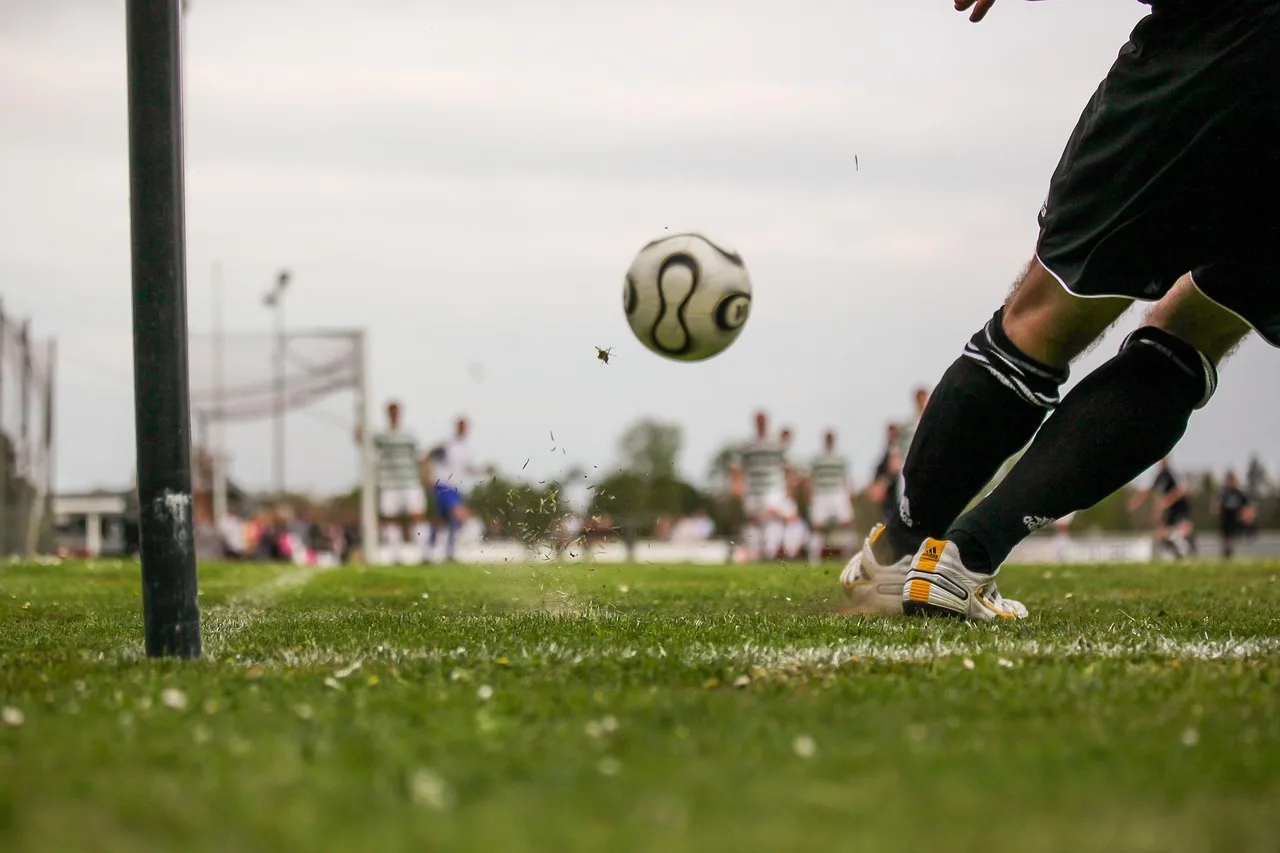
Beginner soccer cleats should fit snugly, with a secure heel, a close midfoot, and a little toe room. They should not feel painful out of the box. If the cleat squeezes the sides of your foot or slides at the heel, it is the wrong fit even if the surface is correct.
Toe room and snug heel hold
A small amount of room at the toes helps prevent pressure during stops and sudden direction changes. The heel should stay planted when you walk and jog. If the heel lifts, the foot will rub, and that can lead to blisters during the first few sessions.
Width and pressure points
Width matters as much as length. Beginners with wider feet should look for models with a roomier forefoot and avoid narrow speed shapes that clamp the toes. Pressure points usually show up at the little toe, the outside edge of the forefoot, or the top of the midfoot.
One simple check helps: wear the socks you will actually use, then stand and bend the forefoot. If the sides of the shoe press hard before you even move, the fit is too tight. A cleat should feel secure, not punishing.
Break-in expectations for first-time buyers
Some break-in is normal, but beginners should not expect a painful process. Synthetic leather uppers often break in faster than older boot materials, which can make them a practical choice for first-time buyers. The goal is a short settling period, not a week of sore feet.
Look for a shoe that feels ready enough on day one. A soft upper, a cushioned insole, and a flexible forefoot can reduce the awkward first sessions. That is especially useful for younger players who may not want a long break-in period.
What features matter most in beginner cleats?
The best beginner features are the ones that improve fit, comfort, and control without adding confusion. Synthetic leather, cushioned insoles, breathable materials, lightweight construction, and the right traction pattern matter more than flashy extras. These are the parts that change how the cleat feels on the field.
Synthetic leather upper
Synthetic leather is a common budget material, and it often breaks in faster than older boots. It can also improve durability and ball control for new players. For beginners, that mix is useful because the shoe becomes comfortable sooner and still holds up to repeated sessions.
Cushioned insole
A cushioned insole adds comfort and helps reduce foot fatigue. That matters during longer practices, especially for players who are still getting used to how cleats feel. It is one of the most useful comfort features in modern budget models.
Breathable materials
Breathable materials help in long matches by reducing heat buildup inside the shoe. That does not make a cleat faster by itself, but it can make a long session feel less tiring. For beginners, that comfort can help them focus on play instead of hot, crowded shoes.
Lightweight construction
Lightweight construction is often preferred for speed-focused play and may help with agility. It is common in modern entry-level cleats, and beginners often like the quicker feel. The tradeoff is that very light shoes should still fit securely; a light cleat that slips is a bad cleat.
Traction pattern and outsole
The traction pattern and outsole must match the surface. That choice affects quick turns, cuts, and general stability. FG, turf, indoor, and multi-ground outsoles all behave differently, so the best beginner cleat is the one that gives the right grip for the field underfoot.
Are expensive soccer cleats better for beginners?
Usually no. Beginners do not need to spend over $250 for elite-level performance, and expensive cleats are not automatically better if the fit and surface are wrong. A well-matched budget model can give the traction, comfort, and durability most new players need.
What price buys and what it does not
Higher prices can bring lighter materials, more refined touch, and premium finishes. They do not fix a bad outsole choice. If you buy a top-end FG cleat and use it on turf, the extra money does not solve the field mismatch.
Modern soccer cleats under $100 can still offer lightweight speed, traction, durability, and comfort. That is enough for many beginners, especially if the model fits the correct surface and the foot shape well.
When budget models are enough
Budget cleats are enough when the player is new, the schedule is simple, and the field type is known. A recreational player on one grass pitch can start with an FG model. A frequent turf player can do well with a turf shoe that has a durable synthetic upper and a cushioned insole.
What matters is avoiding waste. A beginner does not need the most expensive option in the shop; the right outsole and a forgiving fit matter more than premium branding.
What to skip if you are new
Skip shoes that feel overly narrow, overly stiff, or built for a surface you do not use. Skip the idea that more money automatically means more comfort. And skip extra features that do not solve a clear problem, such as buying a speed boot when a roomier beginner model would fit better.
Beginner buying mistakes to avoid
The most common mistakes come from ignoring the surface, the fit, or the break-in period. Beginners often focus on style or price and miss the outsole choice that actually controls grip. A safer purchase comes from a short, practical checklist.
- Confirm the main playing surface first.
- Choose FG for natural grass, turf shoes for artificial turf, or indoor shoes for courts and futsal.
- Check toe room, heel hold, and width with the socks you will wear.
- Prefer synthetic leather, cushioned insoles, and breathable materials if comfort matters most.
- Choose lightweight construction only after the fit feels right.
Do not assume extra ankle support is the main answer. For most beginners, fit and traction matter more than a high collar. A shoe that fits well and matches the surface is usually a better choice than a taller shoe that still feels unstable.
Picture a new player who buys a narrow, expensive cleat because it looks fast, then wears it on a wide forefoot and a turf field. The result is usually heel slip, toe pressure, and poor confidence on cuts. A simpler turf shoe with a better fit would have solved more problems.
Frequently asked questions
Which soccer cleats are best for beginners on natural grass?
FG cleats are usually the best beginner choice on natural grass. They are designed for traction and acceleration on grass fields, so they fit the surface better than turf or indoor shoes. If most games happen on natural grass, start there and then adjust for foot width and comfort.
Should beginners buy firm-ground, turf, or indoor soccer cleats?
Buy the type that matches the main playing surface. FG cleats suit natural grass, turf shoes suit artificial turf and training fields, and indoor shoes suit courts and futsal. The safest choice is the one that gives the right outsole grip for the field you use most often.
Can beginners wear turf shoes for outdoor soccer?
Yes, but only when the outdoor surface is artificial turf or a similar training field. Turf shoes are not the default choice for natural grass. If your outdoor field is real grass, FG cleats are usually the better match and give more appropriate traction.
What are the easiest soccer cleats to break in?
Synthetic leather uppers are often the easiest for beginners to break in. They typically soften faster than older boot materials, and many budget models also include cushioned insoles and breathable materials. That combination usually feels ready sooner without forcing a long break-in period.