Soccer Ball Size 3 vs 4: Which Is Right for Younger Kids?
Size 3 fits younger kids best for control; size 4 works once they can manage the larger ball without losing technique.

Soccer ball sizes by age, cleats for turf, grass and wide feet, and simple care steps so balls and boots last longer.
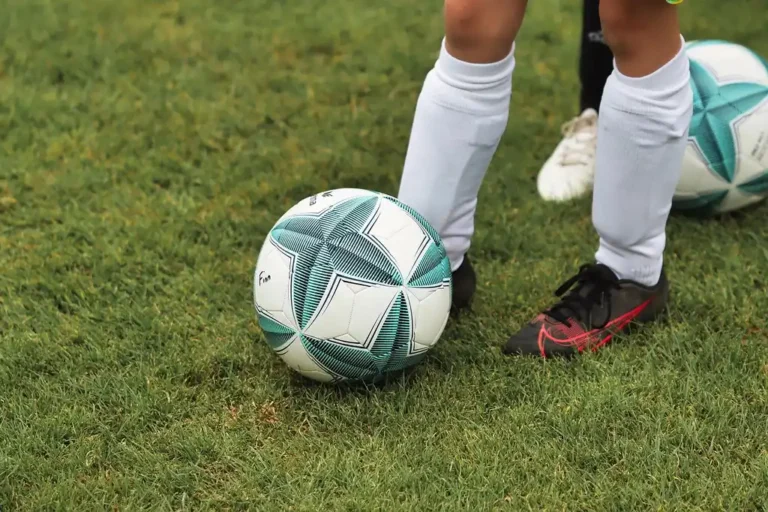
Size 3 fits younger kids best for control; size 4 works once they can manage the larger ball without losing technique.
Remove insoles, brush out debris, wipe with a barely damp cloth, and air-dry the cleats fully to protect the lining and limit odor.
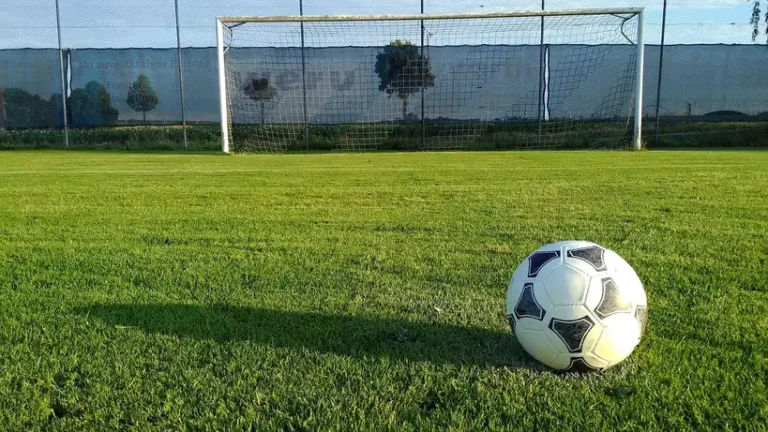
A standard training ball is the best practice pick for most players. Choose by size, surface, cover material, bladder type, and replacement cost.
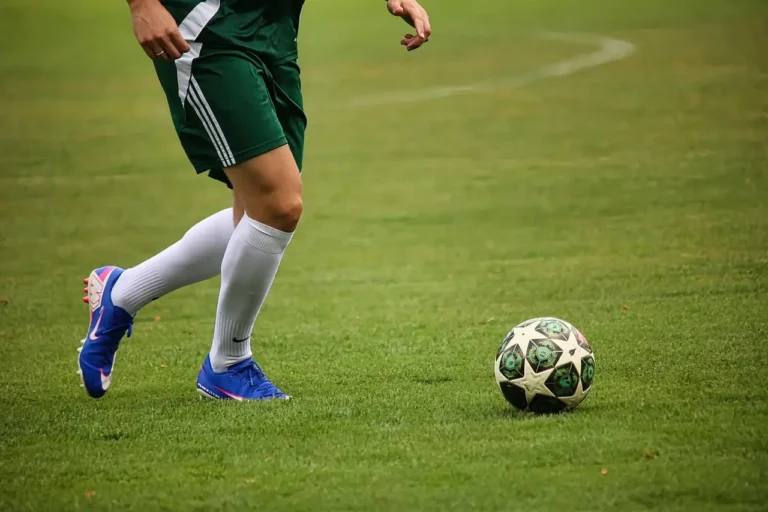
Beginner soccer cleats should match the field, hold the heel steady, and feel comfortable enough for early ball control.
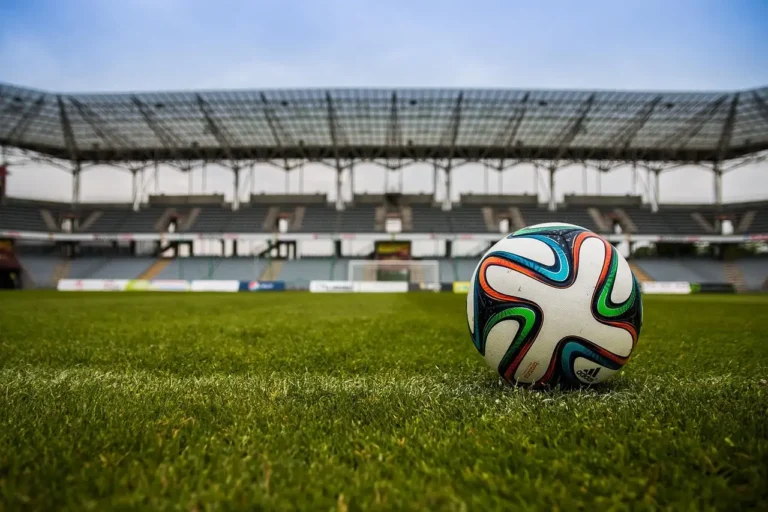
Pick a size 4 or 4.5 soccer ball with a soft touch, low-bounce bladder, and machine-stitched panels for easier juggling.
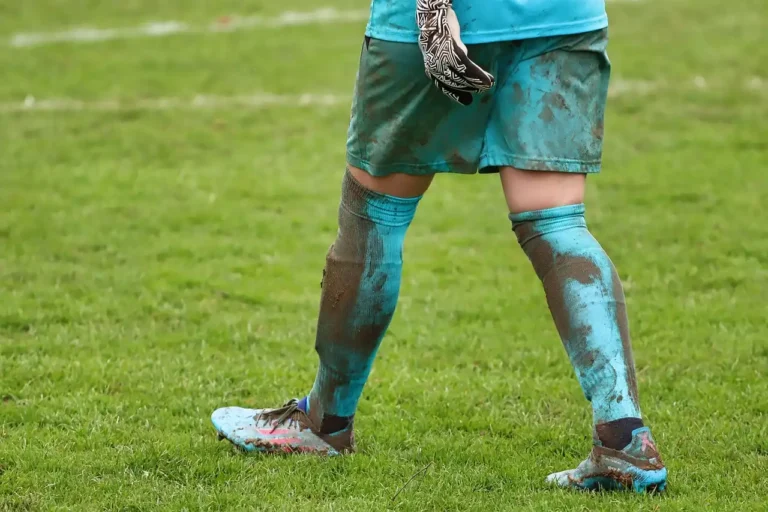
Let mud dry 15 to 30 minutes, then brush off clumps, wipe with a damp cloth, and air-dry with paper inside.
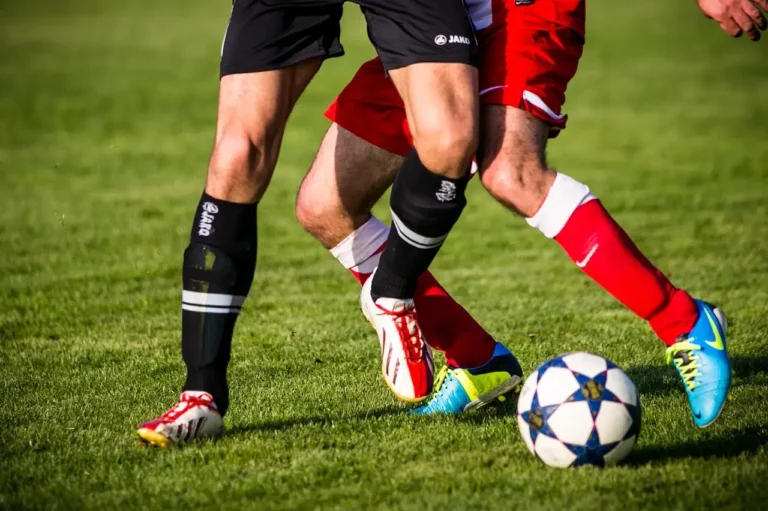
Beginners can wear sneakers only on short, dry, flat surfaces; cleats are safer for turf, grass, mud, and uneven fields.
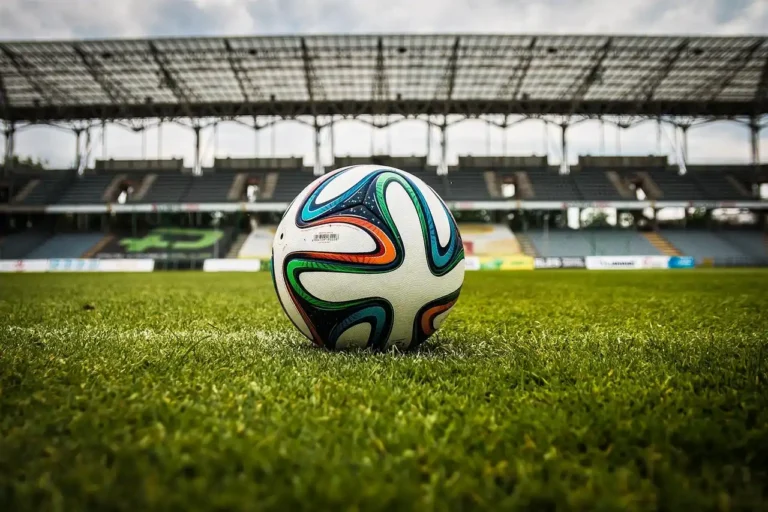
Size 5 is standard for ages 13 and up; size 4 fits ages 9 to 12; size 3 suits younger players. See sizes 1 to 5 in one chart.
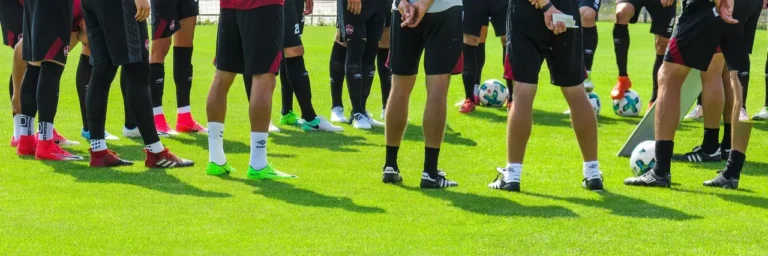
Choose the right size, check roundness and bounce, and match the cover to your training surface for better touch and passing.
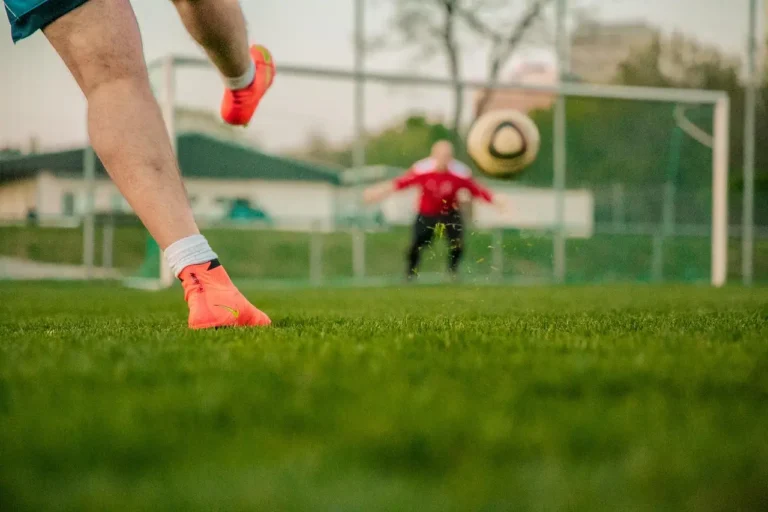
Remove the insole, dry the cleats fully, then treat odor at the source with the right method for each material.