Golf Ball Compression Chart: How to Read and Use It
Match golf ball compression to driver swing speed to choose low, mid, or high compression for better distance, feel, and control.

Golf balls and compression explained in plain words, which balls suit your swing speed and handicap, plus beginner club and gear questions.
Match golf ball compression to driver swing speed to choose low, mid, or high compression for better distance, feel, and control.
Use lukewarm water, mild dish soap, and a soft brush to clean golf clubs at home without damaging heads, grips, grooves, or finishes.
Compression is a firmness rating under load. Lower numbers mean softer feel and more deflection; higher numbers mean a firmer ball.
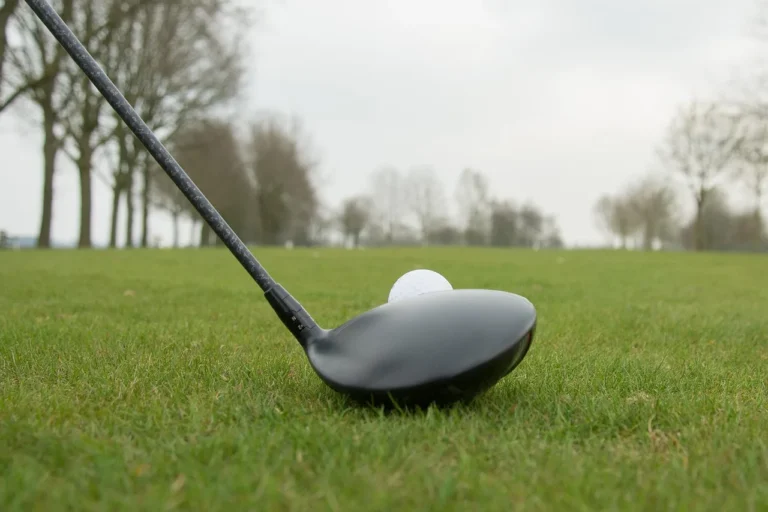
Use height and wrist-to-floor to pick a starting golf club length, then adjust for lie angle, strike pattern, and when a fitting should overrule the chart.
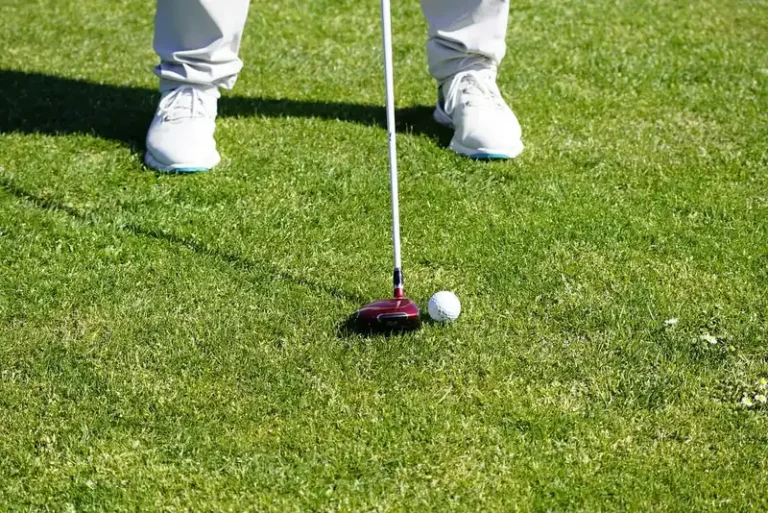
Size junior golf clubs by height first, then confirm fit with driver and 7-iron length. This page explains the checks that show when a child needs the next size up.
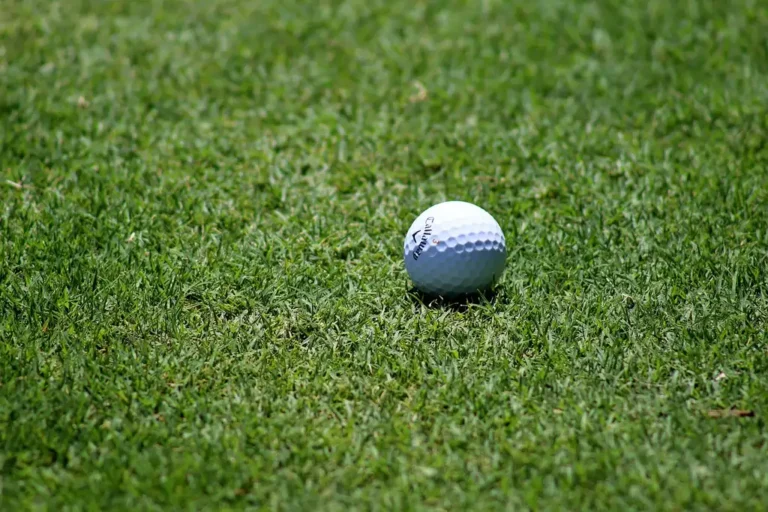
Golf ball compression affects feel, launch, spin, and carry. Match compression to swing speed, then factor in cover material and weather.
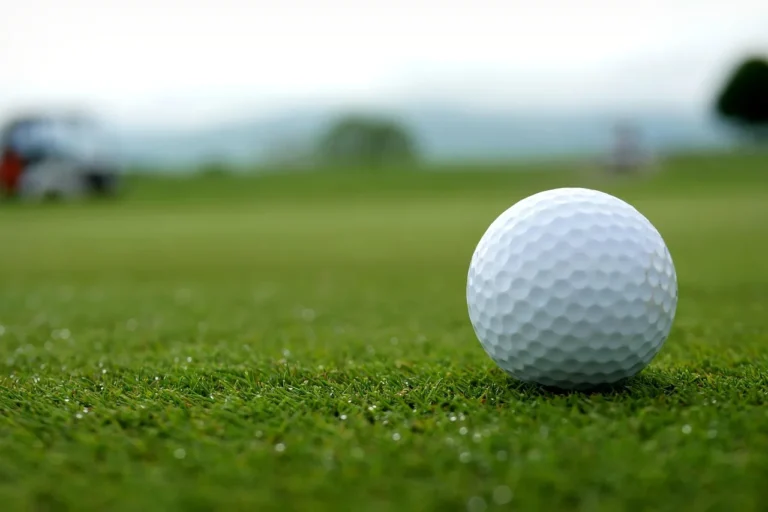
Most beginners should start with a 2-piece ionomer ball in the $20-$30 per dozen range, with lower compression only for driver speeds under about 85 mph.
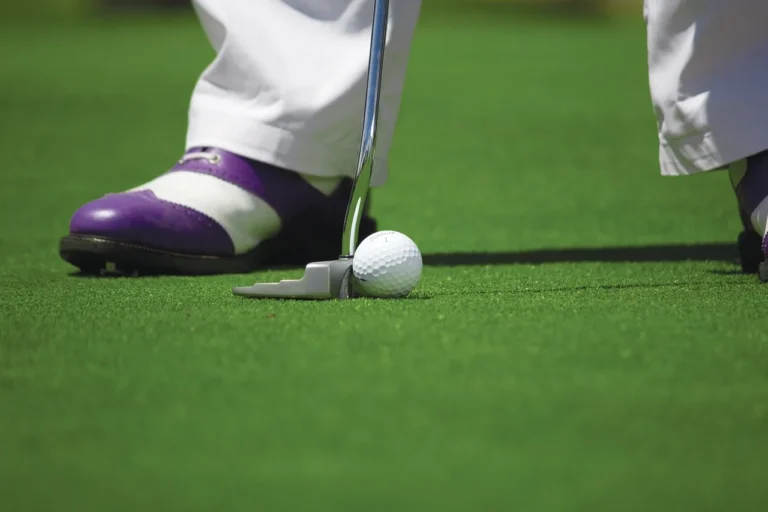
Check wrist-to-floor, hand size, lie angle, and shaft flex. This guide gives a simple fit flow for length, grip size, and control.
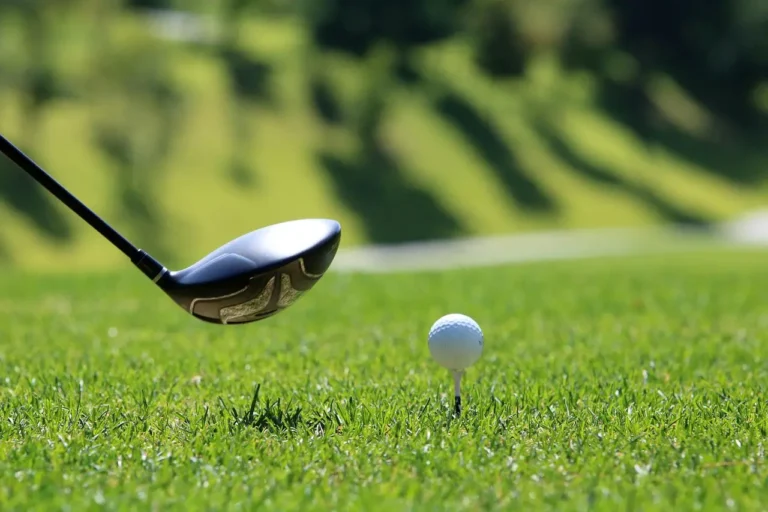
Most beginners should start with a low-compression, two-piece golf ball, especially if you lose balls often or swing at modest speed.
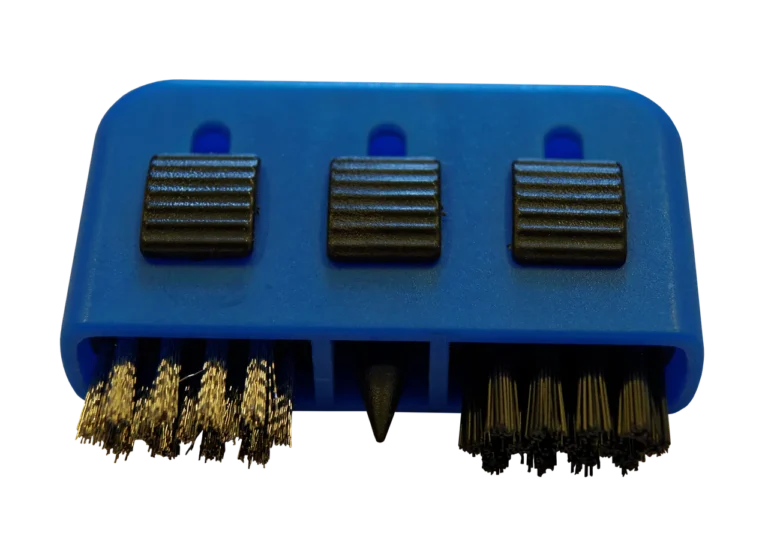
The best golf club care kit has five essentials: a soft nylon brush, a groove pick or plastic groove cleaner, microfiber towels, a pH-neutral cleaner, and a dry carry case.