What Is Inside a Cricket Ball and Why Does It Matter?
A cricket ball has a cork core, wound string, and a stitched leather shell. Learn how each layer affects bounce, swing, seam movement, and wear.

Cricket bat sizes for kids and adults, choosing a first bat, knocking in, grips and care, plus balls and protective gear basics.
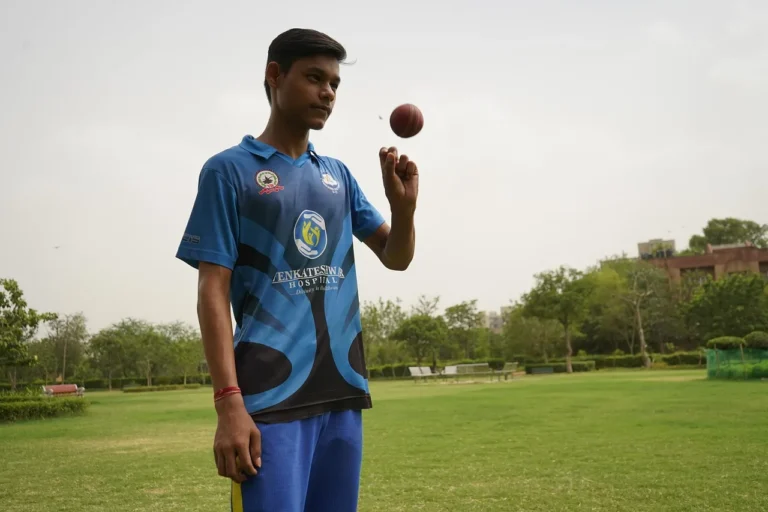
A cricket ball has a cork core, wound string, and a stitched leather shell. Learn how each layer affects bounce, swing, seam movement, and wear.
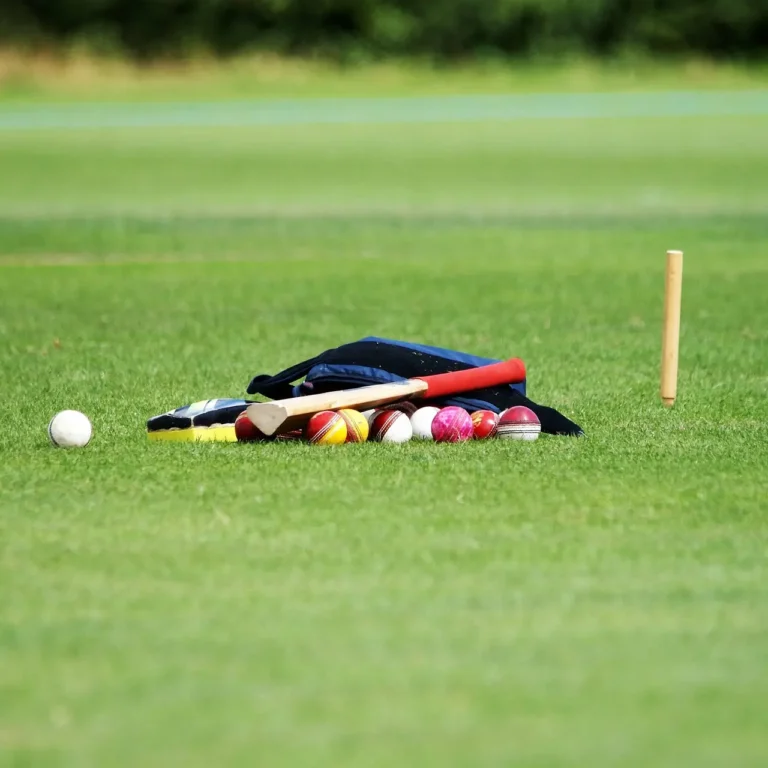
Most players use four cricket ball types: red, white, pink, and practice balls. This guide compares build, visibility, swing, seam, wear, and best use by format.
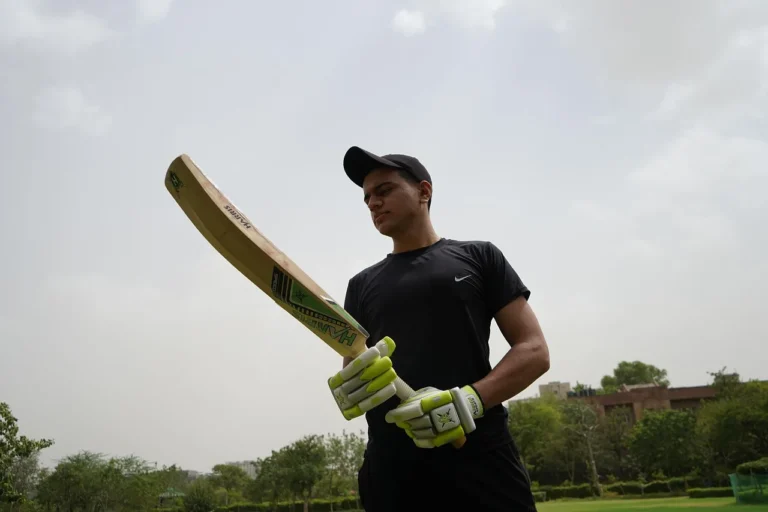
Store your cricket bat in a cool, dry place at 45% to 55% relative humidity, away from sun and heaters, and never in a sealed cover.
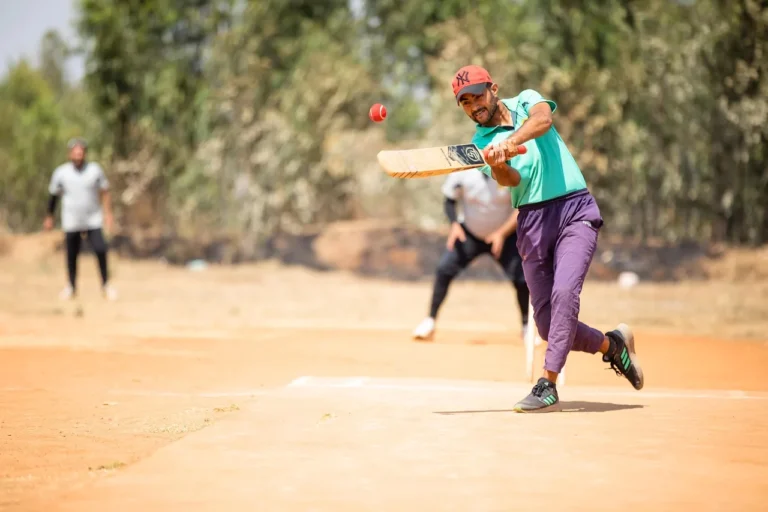
Use height, not age, to choose a cricket bat size. This page lists common junior and adult sizes in inches and centimeters.
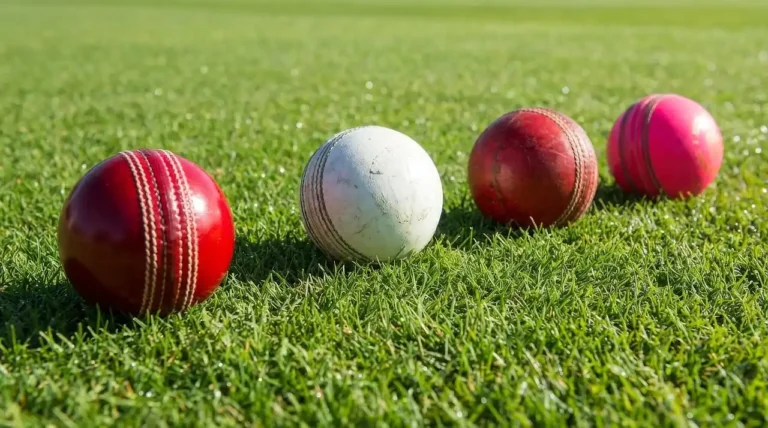
Red balls suit long-format cricket, white balls are used for limited-overs matches, and pink balls are made for day-night Tests.
Choose your first cricket bat by matching ball type, player size, and practice volume. Covers size, weight, setup, care, and when to upgrade.
Use a dry microfiber cloth first, then a barely damp cloth only for grime. This guide covers the face, edges, splice, handle, grip, toe, and drying limits.
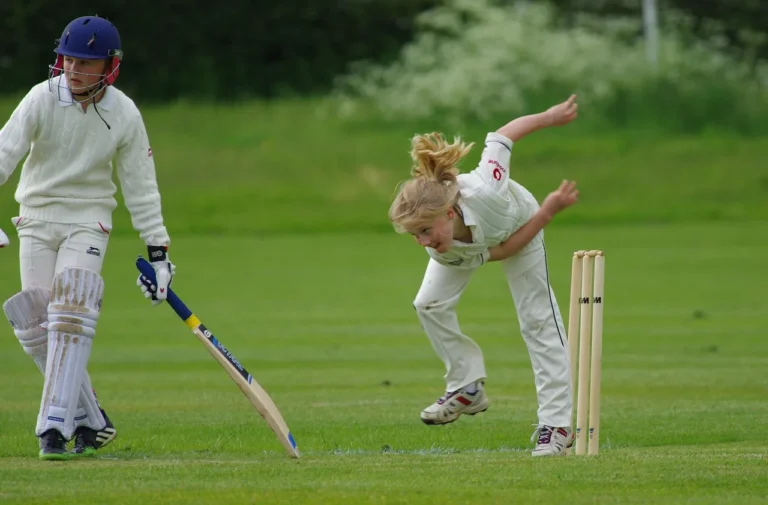
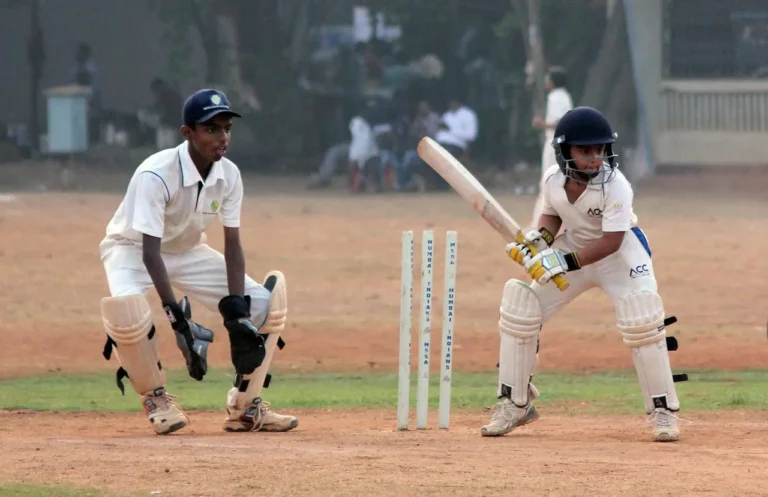
Use age first, then check height and strength. This guide maps each junior cricket bat size to the right age band.
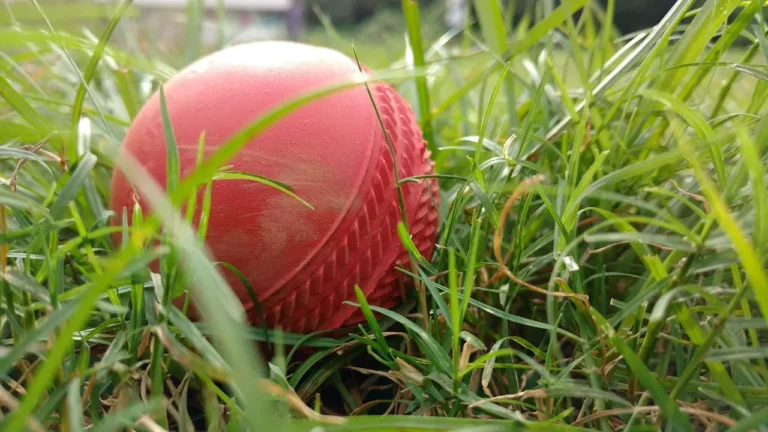
Test cricket usually uses a red Kookaburra, Dukes, or SG ball; white balls are used in limited-overs matches, and pink balls are used for day-night Tests.
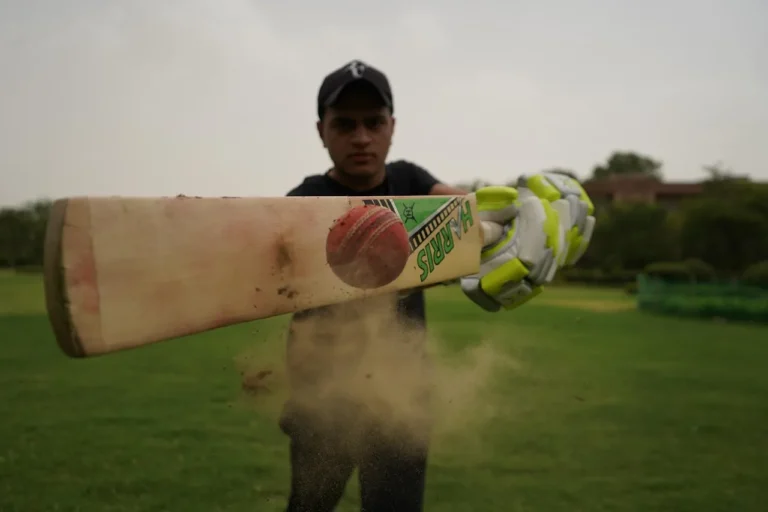
Use raw linseed oil 2–3 times before first use, then once a year for regular play; use bat wax for low-maintenance touch-ups.