Cricket Ball Types: Main Match Balls Used

Test cricket usually uses a red Kookaburra, Dukes, or SG ball; white balls are used in limited-overs matches, and pink balls are used for day-night Tests. Pick the wrong ball and you get the wrong swing, seam, visibility, and scoring pattern. This guide maps ball type to match format, then explains how manufacturer and ball age change grip, movement, and wear.
What are the main cricket ball types?
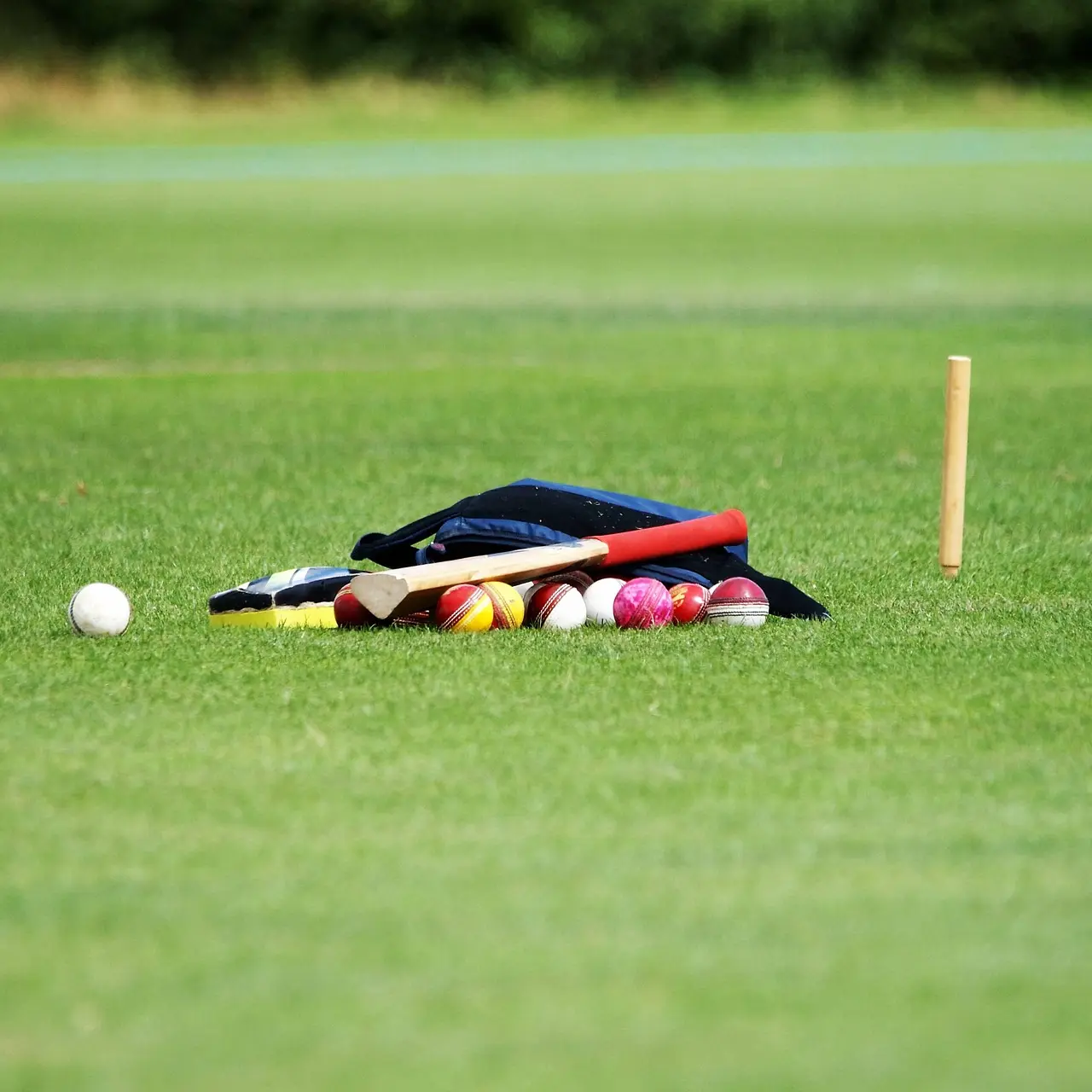
Professional cricket mainly uses three match balls: red, white, and pink. Those colors line up with format and light conditions, not personal preference. Official men’s international balls also follow size limits: 155.9 to 163 grams in weight and 22.4 to 22.9 centimetres in circumference.
Official match balls versus practice balls
Do not mix up match balls with training balls. Official cricket balls for professional play are leather balls with a cork core, string winding, and a leather cover, plus a raised seam. Practice and casual cricket may use tennis balls or synthetic balls, but those are not official match balls.
Why format decides the ball
Format changes the lighting, innings length, and the way the ball wears. A red ball suits daylight and longer play. A white ball is built for high visibility under floodlights. A pink ball sits between those aims for day-night Tests.
Match ball picker
| format | official ball color | typical use | visibility | durability | swing/seam tendency | common playing conditions |
|---|---|---|---|---|---|---|
| Test cricket | Red | Long-form matches, especially daytime play | Good in daylight | Durable over extended play | More useful early, then changes as the ball ages | Daytime Tests, longer innings, changing pitch wear |
| First-Class cricket | Red | Professional multi-day cricket | Best in natural light | Built to last through long spells | Seam and swing matter most when the ball is new | Day matches, extended sessions, traditional red-ball cricket |
| ODI cricket | White | 50-over international cricket | High under floodlights | Wears out faster than red balls | Early movement, then less as shine fades | Limited-overs matches, day or floodlit games |
| T20 cricket | White | 20-over international cricket | High under floodlights | Short format, but still loses condition quickly | Movement is brief and often depends on the new-ball phase | Night matches, fast scoring, broadcast-heavy conditions |
| Day-night Test cricket | Pink | Test matches played into evening | Designed for artificial light | Built to balance visibility and durability | Can move differently as the surface changes and the ball ages | Pink-ball Tests, mixed daylight and floodlight sessions |
If you’re watching or buying: match the ball to the format first. A red ball points to long-form daytime cricket, a white ball points to limited-overs play, and a pink ball points to a day-night Test. Color alone is not the full answer, but it is the quickest clue about how the match should play.
Which ball is used in Test cricket?
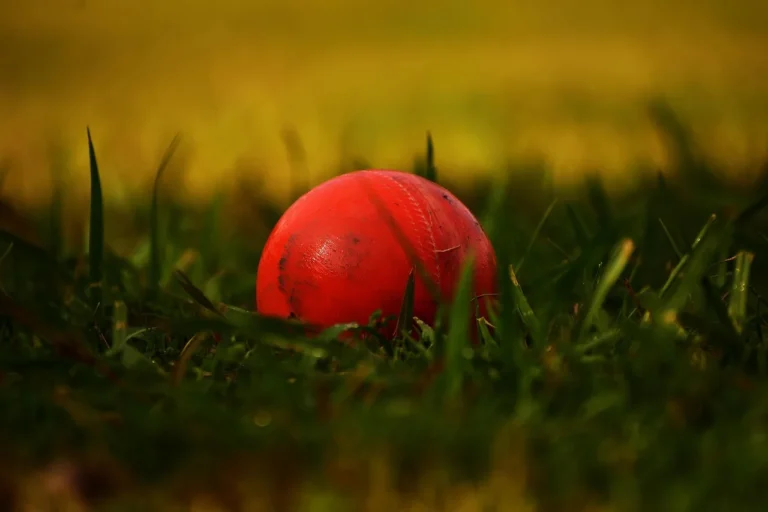
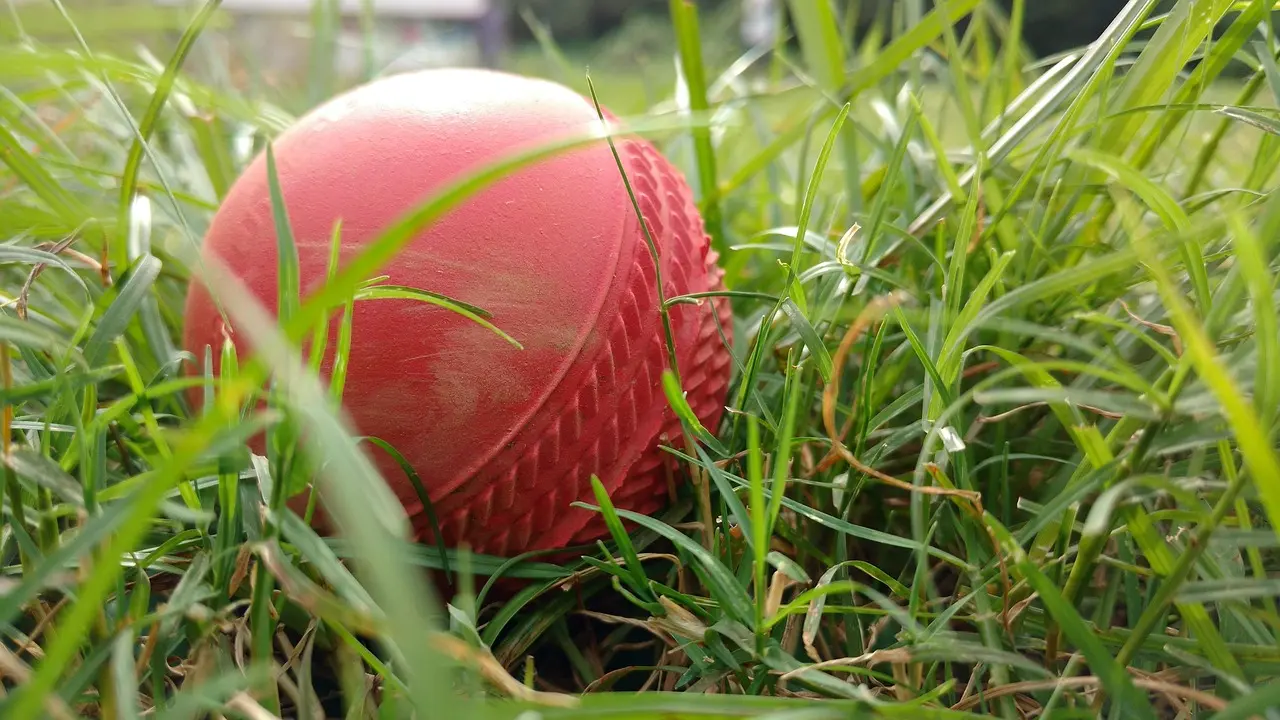
Test cricket usually uses a red ball. That is the standard choice for daytime Tests and first-class cricket because the color holds up well in natural light and the ball is built for longer spells of play. In day-night Tests, the pink ball is used instead.
Red ball in day Tests
The red cricket ball is the traditional leather ball used mainly in Test and first-class cricket. It is durable over extended play, which matters in multi-day matches where the ball must keep its shape and grip for long periods. It is also easier to follow in daylight than white alternatives.
Pink ball in day-night Tests
Pink balls are used for day-night Test matches and general day/night first-class cricket. They are designed for better visibility in artificial light while still aiming to last through a long match. That balance is the point: easier to see than red under lights, but more durable than a white ball in a long format.
Picture a match that starts at 2:00 p.m. and runs into the evening. A red ball can be clear in the afternoon, then harder to track once the floodlights take over. A pink ball is used in that setting because visibility under lights becomes part of the match plan.
Which ball is used in limited-overs cricket?
White balls are used in ODI and T20 cricket. They are the standard ball for all limited-overs matches around the world, mainly because they stand out well under floodlights and against colored kits. The trade-off is simple: white balls may wear out faster than red balls.
White ball in ODI cricket
ODI cricket uses the white ball because visibility matters across a full limited-overs match, especially in evening games. The ball is easier for batters, fielders, and viewers to pick up against darker backgrounds. As it loses shine and condition, swing and seam movement often reduce.
White ball in T20 cricket
T20 cricket also uses the white ball. The short format depends on quick scoring, fast fielding, and clear visibility under floodlights. Because the innings is shorter, the ball’s faster wear is less of a practical problem than it would be in a longer match.
Why the white ball suits floodlit play
White stands out under artificial light, which is why it is standard in limited-overs cricket. The ball also supports the rhythm of ODI and T20 matches, where the new ball is often the most influential phase. After that, the worn surface usually offers less swing and less seam movement.
How do manufacturers change ball behavior?
Different approved manufacturers make official match balls, and their construction changes how seam, shine, and wear behave. The main names to know are Kookaburra, Dukes, and SG. Those differences are real, but they are not absolute rules; pitch, weather, and ball age still matter.
Kookaburra in Australia and many other countries
The Kookaburra ball is commonly used in Australia and many other nations. It is used in ODI, T20, and some Test matches. A common point coaches and bowlers watch is seam life: the seam can deteriorate after 20 to 30 overs, which can reduce late movement.
Dukes in England
In England, professional games use the Dukes cricket ball. It is known for a longer-lasting seam, which often suits seam and swing bowlers. That extra seam life can keep movement alive for longer than some other match balls, especially in helpful atmospheric conditions.
SG in India
In India, the SG ball is used more commonly. It loses shine quickly, and that changes how the ball behaves after the first spell. Because the surface can roughen and lose gloss, spinners often get more help than seamers as the match goes on.
What do seam, shine, and wear change?
The seam is a major performance feature of the cricket ball. It helps generate swing and seam movement when bowlers release the ball with control and the surface is in good condition. As the seam softens and the ball wears, movement usually changes.
Why the seam matters to bowlers
The raised seam gives bowlers a grip point and can make the ball deviate off the pitch. A fresher seam is usually more useful for pace bowlers who want the ball to move through the air or off the surface. Once the seam flattens, that movement becomes harder to create.
How shine affects swing
Shine matters because a polished side and a rougher side help create swing. In simple terms, bowlers try to keep one side smooth while the other side ages. A white ball usually loses that shine sooner than a red ball, which is one reason it behaves differently in limited-overs cricket.
How wear changes the ball over time
Wear changes everything about the ball’s later life in a match. A new ball often swings and seams more, then becomes harder to control as the surface softens and the seam flattens. That is why format, manufacturer, and overs bowled all matter together.
A common first-timer mistake is assuming the ball stays identical all match. Suppose a white ball is 8 overs old in a T20 innings: it may still swing early. Suppose the same ball is 28 overs old in an ODI chase: the shine is usually reduced, and the ball behaves differently.
Frequently asked questions
Which ball is used in international cricket?
International cricket uses different balls by format. Test cricket uses red, day-night Tests use pink, and ODI and T20 cricket use white. So the correct answer depends on whether the match is long-form or limited-overs.
Does cricket use a ball?
Yes. Cricket is played with a hard, solid cricket ball, usually made with a cork core, string winding, and a leather cover. Official match balls are built to standard weight and circumference ranges, especially in men’s professional cricket.
What is the ball called in cricket?
It is usually called a cricket ball. In match contexts, people often specify the color or brand, such as red ball, white ball, pink ball, Kookaburra, Dukes, or SG, because those details affect how the ball behaves in play.
What are the main types of cricket balls used in matches?
The three main types are red, white, and pink cricket balls. Red is used mainly in Test and first-class cricket, white in ODI and T20 cricket, and pink in day-night Tests. Those choices reflect format, lighting, and match length.
Why are different cricket balls used in different formats?
Different formats need different visibility and wear patterns. Red balls suit long daylight matches, white balls suit limited-overs games under lights, and pink balls suit day-night Tests. Manufacturers and seam quality also change how much swing and seam movement bowlers can get.
What ball is used in day-night Test cricket?
Day-night Test cricket uses a pink ball. It is designed to be easier to see in artificial light while still lasting through a full Test match. That makes it the best fit for sessions that move from daylight into floodlights.
What is the difference between red, white, and pink cricket balls?
Red balls are the traditional choice for Test and first-class cricket, white balls are standard in ODI and T20 cricket, and pink balls are used for day-night Tests. The differences are about visibility, durability, and how the ball behaves as it wears.