What Is Pickleball Paddle Swing Weight and Why Does It Matter?
Swing weight changes how fast a pickleball paddle moves through the air. Learn how it affects hands, power, control, and fatigue.

Pickleball paddles, balls and gear explained: how to choose a paddle for control or power, grip sizes, when paddles wear out and how to care for them.

Swing weight changes how fast a pickleball paddle moves through the air. Learn how it affects hands, power, control, and fatigue.

Use edge tape, guards, epoxy repair, and careful storage to stop paddle-edge chips and cracks before they spread.
Use a damp microfiber cloth after play, clean raw carbon-fiber faces with a paddle eraser, and store your paddle dry at 50-90°F to protect spin, feel, and lifespan.

Beginners should choose a paddle that fits their grip, weight, and control needs. This guide explains the most common beginner mistakes and how they affect forgiveness and progress.

Yes—pickleball paddles do make a difference for new players, but only a few specs matter at first: weight, grip size, and a forgiving face.
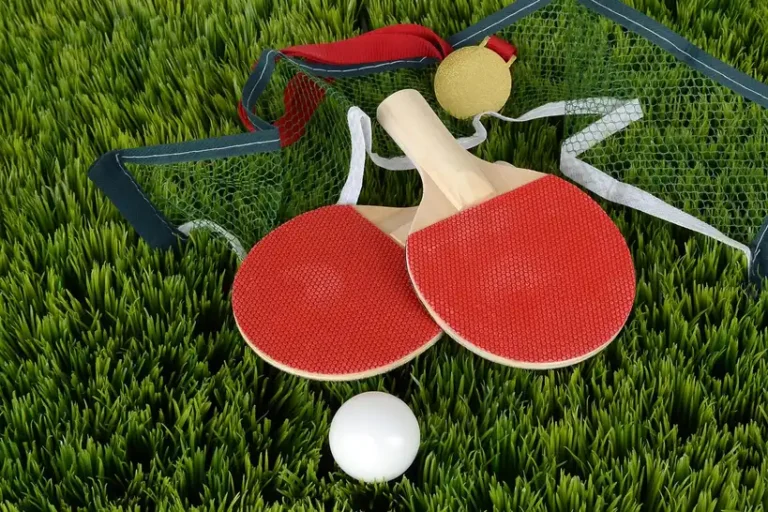
Pickleball paddles feel lighter than tennis rackets, so tennis players should start around 7.8–8.3 oz and focus on swing weight, balance, and hand speed.
Store your pickleball paddle flat, dry, and at 50–80°F. Use a cover for transport, but remove it if the paddle is damp or hot to avoid warping.

Choose pickleball ball types by court surface, weather, noise limits, and sanctioning, with clear uses for indoor, outdoor, and quiet foam balls.

Static, swing, and twist weight each affect how a pickleball paddle feels and plays. See the numbers, what they mean, and how to compare them.
Start with a dry microfiber cloth, then use a barely damp cloth and mild dish soap only if residue stays. Avoid abrasives, solvents, and soaking.