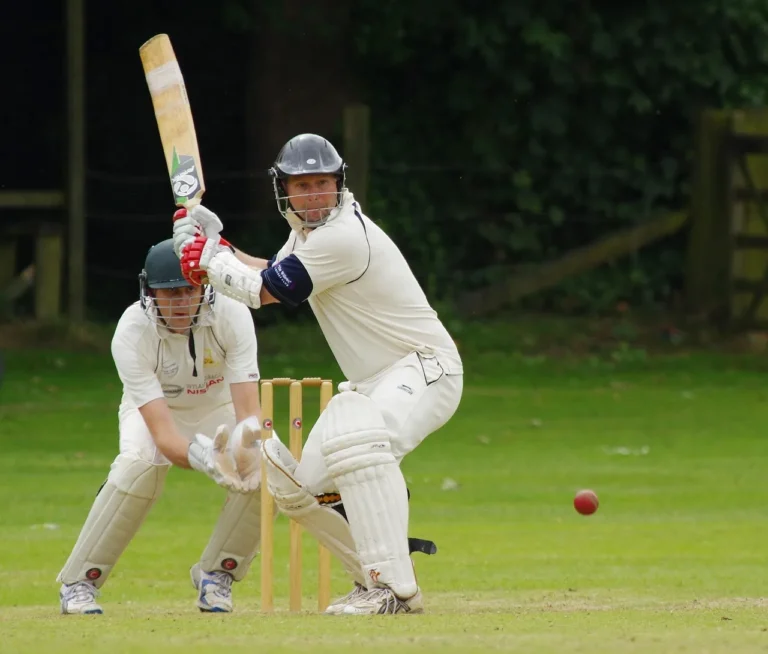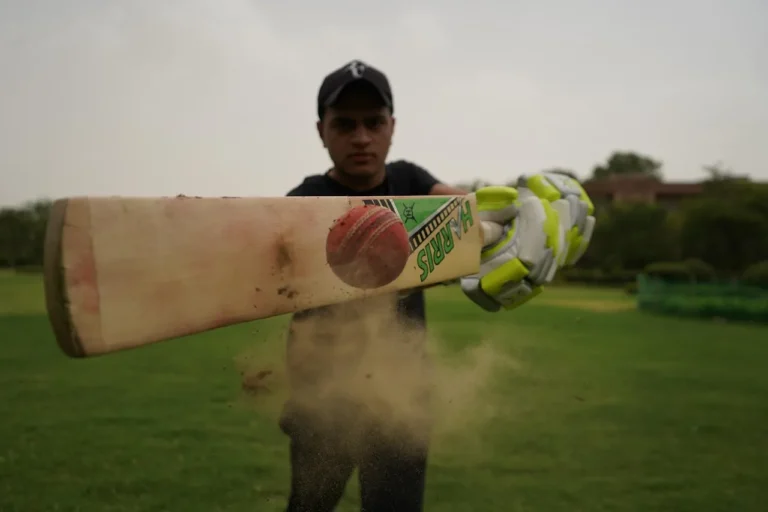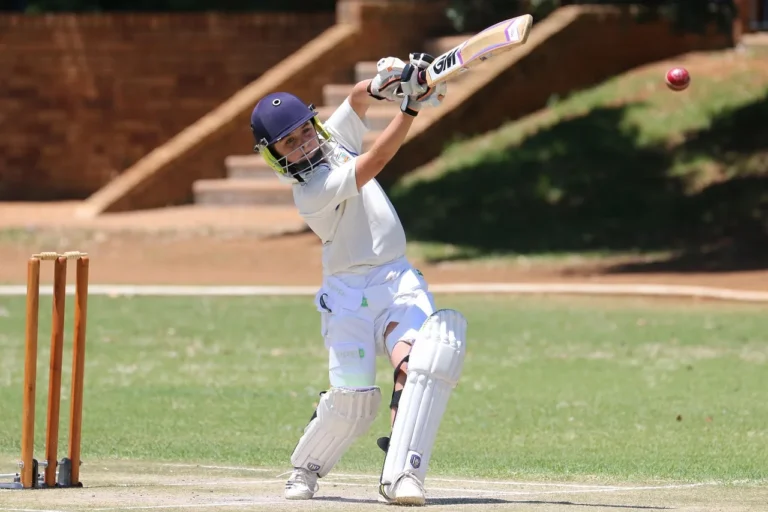
How to Clean a Cricket Bat at Home Safely

Clean a cricket bat with a dry microfiber cloth first. Use a barely damp cloth only on grime, then stop if the wood stays wet for about 30 seconds. Too much water, scrubbing, or cleaner can swell the face, lift the grain, and wear through the knock-in oil or toe protection. This guide shows how to clean the face, edges, splice, handle, grip, and toe safely, plus when to dry, repair, or leave a mark alone.
Why a bat needs gentle cleaning
An English willow cricket bat takes in moisture easily, and the grain runs one way, so cleaning needs to follow the wood, not fight it. The finish can be damaged by abrasion, and water that sits on the bat can soften the surface. That is why light cleaning is enough for most jobs.
Cleaning should remove loose dust, sweat, mud, and surface grime. It should not try to erase cracks, lifted grain, or soft patches. If a mark does not move with a soft cloth and minimal moisture, stop and inspect instead of scrubbing harder.
What you’ll need
- Soft microfiber cloth for dry wiping and a slightly damp cloth for light cleaning
- Mild soap, used only in a very small amount with water
- Warm water, used sparingly
- Soft sponge or non-abrasive pad for light marks
- Dry towel for immediate drying
- Clean, dry place for inspection after wiping
How to clean the bat face and edges
Start dry. A soft microfiber cloth is the safest first tool for dust and loose grime. Use light pressure on the face and edges, and follow the grain where possible. On a bat with an anti-scuff sheet, wipe the sheet lightly instead of pressing into the corners.
If dry wiping is not enough, dampen the cloth with warm water so it is only slightly wet. Wipe the face and edges once, then check whether the surface dries quickly. A soft sponge or non-abrasive pad can help with faint ball marks, but never scrape at them. Scraping can damage the finish and may pull at softened willow.
Picture a lightly marked face after an outdoor net session. The right response is a dry wipe, then one pass with a barely damp cloth. If the mark remains but the wood is still sound, leave it. Ball marks are often cosmetic; cracks and lifted grain are not.
How do you clean the handle and grip?
Clean the handle separately from the blade. Wipe the handle with a dry or lightly damp microfiber cloth, then keep moisture away from the grip tape or buildup areas. Sweat on the handle can be removed, but soaking the grip can trap water and make drying slower.
If the grip has visible salt or sweat residue, use a cloth that is only slightly damp and ring it out well before wiping. Do not pour water over the handle, and do not press liquid into the seam where the grip meets the willow. That area should be checked, not flooded.
Handle and grip check points
- Look for sticky sweat buildup near the top of the handle
- Check the grip for trapped moisture or soft spots
- Wipe the splice area gently and keep liquid to a minimum
- Stop if the handle feels loose, split, or unusually soft
How should you clean a cricket bat?
Clean the bat in five short steps. Start with dry dust removal, move to a lightly damp microfiber cloth, use mild soap only if grime stays behind, dry the bat at once, then inspect for damage. That sequence protects the face, edges, handle, and toe without overworking the wood.
- Remove loose dust with a dry microfiber cloth.
- Wipe the face, edges, and toe with a slightly damp cloth.
- Add only a tiny amount of mild soap to warm water if grime remains.
- Wipe the soapy area again with plain water on the cloth.
- Dry the bat immediately with a towel and inspect the grain, edges, and toe.
Use warm water sparingly. It is for light surface cleaning, not soaking. A common first-timer mistake is to keep wiping until the willow looks “fully clean.” That is where the damage starts, because repeated wetting can swell the face and leave moisture sitting on the bat.
Can I use water to clean a cricket bat?
Yes, but only in a small amount and only on the surface. Warm water is fine for light cleaning when it is used on a cloth, not poured on the bat. The bat should never be submerged in water, and moisture should not be left sitting on it.
Use enough water to lift grime, not enough to soak the wood. If the bat still feels damp after wiping, stop and dry it before doing anything else. For an English willow cricket bat, less water is the safer choice because the wood and finish can both be affected by excess moisture.
Can I use soap on a cricket bat?
Yes, if the soap is mild and used with water in a very small amount. It is best for grime that dry wiping does not remove. Harsh detergents, bleach, and strong cleaners should generally stay out of the process because they can harm the finish and the wood surface.
Use soap only as a backup step. A few drops in a bowl of warm water are usually enough for a cloth, and the cloth should be wrung out before it touches the bat. Do not let soapy water pool around the edges, toe, or sticker seams.
What should I use to remove ball marks from a cricket bat?
Use a soft microfiber cloth first, then a soft sponge or non-abrasive pad if the mark is only on the surface. Ball marks on the face are often part of normal use. If a mark does not lift with light wiping, do not scrub harder; inspect the area instead.
Do not use scouring pads, steel wool, or wire brushes. Those tools can cut the finish and disturb the grain. If the mark sits next to a crack, lifted grain, or a soft patch, stop cleaning. That is repair territory, not cleaning territory.
Cricket bat cleaning decision table
| Scenario | Safest tool | Acceptable liquid amount | What to avoid | Drying time guidance | Stop-and-check warning |
|---|---|---|---|---|---|
| Dusty bat | Soft microfiber cloth | None, or cloth barely dampened with warm water | Dry scrubbing with pressure; any abrasive pad | Towel dry right away if any moisture is used | Stop if the face shows cracks, lifted grain, or a softened patch |
| Muddy bat | Soft cloth, then non-abrasive pad if needed | Minimal warm water on the cloth only; add a trace of mild soap if mud stays | Soaking, scraping, bleach, wire brushes | Dry immediately and check the toe and edges again after a short pause | Stop if mud hides damage or the willow stays damp |
| Sweaty handle | Microfiber cloth wrung out well | Very little; just enough to lift residue | Soaking the grip tape or pooling water near the splice | Dry at once with a towel | Stop if the handle feels loose, split, or unusually soft |
| Bat with an anti-scuff sheet | Soft microfiber cloth | Lightly damp cloth only; keep it slight | Scraping under the sheet edges or using abrasive tools | Wipe dry immediately, including the sheet edges | Stop if the sheet is lifting or the face beneath looks cracked |
Common mistakes
Too much water is the most common error. The bat should never be submerged, and moisture should not be left sitting on the surface. Dry the bat immediately with a towel, then put it away from heat sources so the wood dries naturally without stress.
Abrasive tools are another problem. Harsh chemicals, bleach, wire brushes, steel wool, and power washing can damage the finish and the willow. The same is true for aggressive scrubbing on the face and edges. Clean gently, then stop.
Cleaning over damage is the mistake that causes the most trouble. Cracks, lifted grain, and softened willow are not dirt. If a bat is already damaged, more scrubbing will not fix it. Picture a muddy edge with a visible split underneath: wipe the mud away, then leave the split alone and arrange repair.
How often should a cricket bat be cleaned?
Light wiping after every session is a good maintenance habit. A deeper clean every few weeks is enough during the season if the bat is getting regular use. Heavy mud, sweat, or tape residue can justify earlier cleaning, but the method should still stay gentle.
Cleaning should sit inside a wider maintenance cycle. Light clean after play, deeper clean only when needed, and follow up with oiling only if the bat is dry and the surface needs it. Oiling a damp bat traps the wrong kind of moisture.
Does cleaning a cricket bat affect the oil or knock-in finish?
Yes, it can. Excess water, scrubbing, and harsh cleaners can wear through the oil or knock-in finish and alter the surface protection. That is why the safest approach is light wiping, minimal liquid, and immediate drying. The cleaner the bat, the gentler the method should be.
If the bat already looks dry after cleaning, a later oiling step may be needed only when the wood actually calls for it. Do not add oil to a damp bat. Wait until the surface is fully dry, then decide whether the finish needs attention.
How do I dry a cricket bat after cleaning it?
Dry the bat immediately with a clean towel. Do not leave it to air dry, and keep it away from heaters, radiators, direct sun, or other heat sources. Moisture should not sit on the willow while you do anything else.
After towel drying, inspect the face, edges, toe, handle, and grip. If any area still feels damp, wipe again and set the bat aside in a dry place. The goal is plain: remove moisture fast, then check whether the bat needs repair instead of more cleaning.
Frequently asked questions
How do I clean a cricket bat at home without damaging it?
Use a dry microfiber cloth first, then a cloth that is only slightly damp with warm water if needed. Wipe the face, edges, handle, and toe separately, dry the bat immediately with a towel, and stop if the wood stays wet or starts to look softened.
How do I clean the bat handle and grip safely?
Wipe the handle separately with a wrung-out microfiber cloth. Keep water off the grip tape or buildup areas, because trapped moisture slows drying. If sweat has built up, a light wipe is enough; if the handle feels loose or split, stop and inspect it.
What should I avoid when cleaning a cricket bat?
Avoid bleach, harsh chemicals, wire brushes, steel wool, sandpaper, scouring pads, and power washing. Also avoid soaking the bat or leaving it to air dry. If the face already has damage, do not scrub it harder; that only risks making the problem worse.