
Best Soccer Ball to Practice Juggling: Key Features and Tips

A size 4 or 4.5 ball with a soft touch and low-bounce bladder is often recommended for easier juggling; machine-stitched panels may also help. Size 5 can work once control is solid. A slick cover or overinflated ball makes first touches jumpy and slows clean control. This covers the features that matter, plus how to match the ball to your skill level and practice surface.
What you’ll need
- A soccer ball in the right size for your stage, usually size 5 for teens and adults, with size 4 still useful for some younger players.
- A ball with a textured grip surface if you want more foot contact and less sliding on stalls.
- Flat, clean kicking shoes with a wide contact area.
- A hard court, artificial turf, or another flat practice area with enough room to move.
- A way to check inflation so the ball is properly filled before you start.
Choose the right ball
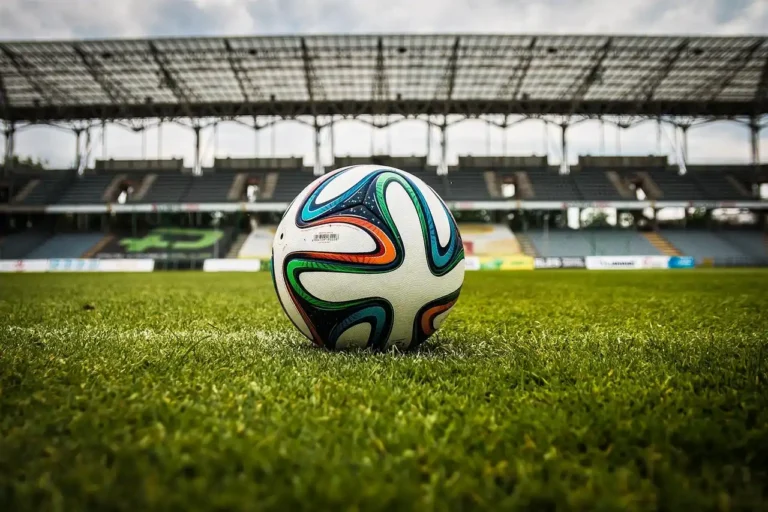
The best soccer ball for juggling practice is the one that gives you a predictable first touch. That usually means a size and surface that match your skill level, plus inflation that keeps the ball round without making it bounce off your foot.
Ball features that change touch
A textured grip surface helps the ball sit on the foot instead of sliding off during stalls and light touches. A recessed valve matters too, because a lower-profile valve is less likely to catch on contact and kick the ball off line.
Panel depth and seam feel matter even when the ball is labeled as a match ball. A smooth, glossy cover can feel quick and lively, which is fine for passing and kicking. For juggling, that same quickness can mean more slip and more over-kicks if your touch is still developing.
How to pick by skill level
- Start with a softer touch. Choose a ball that feels controllable on the foot, not one that skips away on the first bounce. If you want cleaner first touch, pick a ball that cuts surprise movement.
- Match the surface to your stage. A beginner usually benefits from a more forgiving ball on a hard court or artificial turf, where footwork is easier and the ball movement stays readable. Freestyle-focused players can move to a more grip-heavy ball sooner.
- Use size 5 when control is steady. Size 5 is commonly used as the match-ball size and freestyle size. It is commonly used by most teens and adults, while some younger players train with a size 4.
- Choose texture when stalls slip. If the ball keeps rolling off your foot or wobbling on contact, a textured training ball is often the better upgrade than a slicker match ball.
- Keep shoes simple. A flat sole and wide kicking surface give you a cleaner contact patch for stalls and touches. Raised-heel shoes and running shoes make that harder.
| skill level | best ball features | common failure case |
|---|---|---|
| beginner | Size 4 or size 5, soft touch, predictable panel feel, properly inflated, easy-to-read flight | The ball jumps off the foot, slips on stalls, or feels dead on contact |
| intermediate | Size 5, balanced weight, moderate texture, recessed valve, consistent shape retention | Touches drift too far forward and the ball starts wobbling side to side |
| freestyle-focused | Size 5, textured grip surface, recessed valve, steady roundness, touch-friendly seam profile | The ball catches on the foot or ricochets after stall attempts and trick entries |
Surface and shoe fit
Hard court and artificial turf are practical practice surfaces because they make movement easier for beginners and keep setup simple. Indoors can work too, but the ball may feel faster on a smooth floor, so touch quality matters even more.
Flat, clean kicking shoes help because the foot presents a wider contact zone. Running shoes can make stalls harder because the heel and sole shape interfere with the clean, level contact juggling asks for.
What type of soccer ball is best for practicing juggling?
A ball with a controlled touch is best for juggling practice: size 5 for most teens and adults, moderate texture if you want less slip, and a recessed valve if you want fewer catches on contact. A regular match ball can work, but a freestyle-friendly training ball usually gives cleaner stalls and steadier first touches.
For pure passing and match play, a smooth ball is often fine. For juggling, a textured cover is easier to manage when your foot is still learning how much power to apply.
Before you practice the right way
The ball matters, and the setup does too. A flat practice area, shoes that give a wide contact patch, and a ball with proper inflation all influence whether your touches stay low and repeatable or start popping off line.
A common first-timer mistake is using a running shoe and a glossy, overinflated ball on a slick indoor floor. That combination makes the ball rebound faster than expected, so the foot has to correct late and the touch gets messy.
Beginner juggling progression
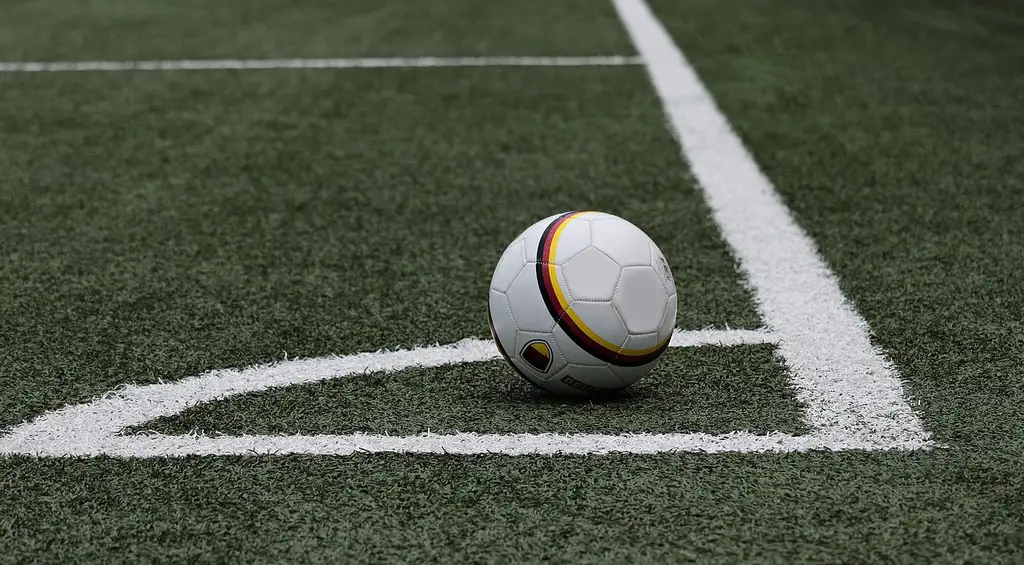
Beginner juggling should build touch sensitivity before it builds speed. The aim is to learn how much power sends the ball to a useful height, then repeat that contact until the first touch feels repeatable.
- Drop and catch. Drop the ball from waist height and catch it after one bounce or one touch. This gives a clear read on how the ball responds without forcing a full juggling chain.
- Kick up and catch. Toss or drop the ball and pop it upward with one foot, then catch it. Keep the lift low and controlled so the ball stays in front of you.
- Repeat the same foot. Use one foot until the ball stops drifting left or right. Repetition makes the power mapping easier to feel.
- Alternate feet slowly. Once one side feels stable, switch feet and keep the height similar. Control comes before speed.
- Count clean touches. Count only touches that stay in control. A session can also be measured by target counts, timing, or a set pattern.
Say your first three touches keep shooting away from your body on a hard court. A textured ball with a slightly softer feel and a cleaner flat-sole shoe often fixes more of the problem than a longer drill does, because the ball stops sliding on contact.
Should I use a size 5 ball for juggling practice?
Use size 5 if you are a teen or adult and want the same reference size used in standard match play and freestyle competition. It is the best long-term choice for most players. Some younger players train with size 4, which can feel easier to lift and settle during early practice.
Size 5 is not automatically harder in every case. Once your touch is stable, the standard size helps you practice on the same ball shape and feel you will see in regular play.
How inflated should a soccer ball be for juggling practice?
The ball should be properly inflated, but not so hard that every touch rebounds sharply. Inflation changes both touch and shape, so an underfilled ball can feel sluggish while an overfilled ball can feel jumpy and narrow the contact window.
Some balls do not ship fully inflated, so check pressure before practice. If the ball feels soft on the foot or folds too much on stalls, add air in measured increments and recheck after each change.
How much to add depends on the ball, so use the inflation range printed by the maker if it is present. If that mark is missing, add air in short pumps, then test a few touches before adding more.
Do shoes matter?
Yes, but only in a practical way. Flat soles and a wide kicking surface help the ball sit cleaner on the foot, which improves stalls and controlled lifts. That makes juggling more repeatable, especially for beginners.
Running shoes are not banned, but they often make stalls harder because the heel and sole shape reduce the flat contact area. If your touches keep rolling off, shoes are one of the easiest variables to improve.
What features make a soccer ball easier to control in the air?
The main features are a size that matches your stage, a surface with enough texture to limit slip, a recessed valve, and an inflation level that keeps the ball round without making it ping off the foot. Those traits reduce wobble, catch points, and over-kicks.
For freestyle work, the ball’s grip matters even more. SkillAddicts says grip makes almost every touch easier to control, and that fits the basic juggling problem: the less the ball slides, the easier it is to repeat the same contact.
Common mistakes
- Buying a smooth ball when the real problem is slip on stalls.
- Using a ball that is too hard or too soft for clean feedback.
- Practicing in running shoes and expecting the foot to behave like a flat sole.
- Starting with fast alternating touches before one-foot control is stable.
- Ignoring the practice surface when the ball keeps ricocheting or sliding.
Picture a beginner on artificial turf using a size 5 match ball that is a little overinflated. The first touch pops up too high, the second touch drifts forward, and the player assumes the drill is the issue. In that case, the ball setup is the first thing to fix.
Frequently asked questions
Can beginners learn juggling with a regular match ball?
Yes. A regular match ball is enough to start, especially if it is properly inflated and used with simple drills. It is easier to learn if you keep the session short and use drop-and-catch work before full juggling. A softer, more textured ball just tends to feel easier sooner.
Is a textured ball better for juggling than a smooth match ball?
Usually yes, if your main issue is the ball sliding or wobbling on contact. A textured cover helps the ball sit on the foot instead of slipping away. A smooth match ball is fine for general kicking, but it is less forgiving for stalls and delicate air touches.
How long should I practice juggling each day?
About 10 minutes a day is enough to build repeatable touch practice without letting fatigue wreck your contact quality. Short sessions work well because juggling is a precision skill. Stop when your touches turn jumpy or your body position gets sloppy, then return the next day.
Does juggling help with first touch and ball control?
Yes. Juggling trains first touch, power control, concentration, and coordination together, because every touch forces you to judge how hard the ball should travel next. That feedback loop is the point. Better control comes from repeated touches that stay close and predictable.
What are the most common mistakes when learning to juggle?
The biggest mistakes are using the wrong ball setup, rushing to alternate feet, and ignoring shoe contact. Overinflation, a slick cover, and a curved running shoe can all make the ball feel unpredictable. Start with a cleaner setup, then build touch one simple pattern at a time.