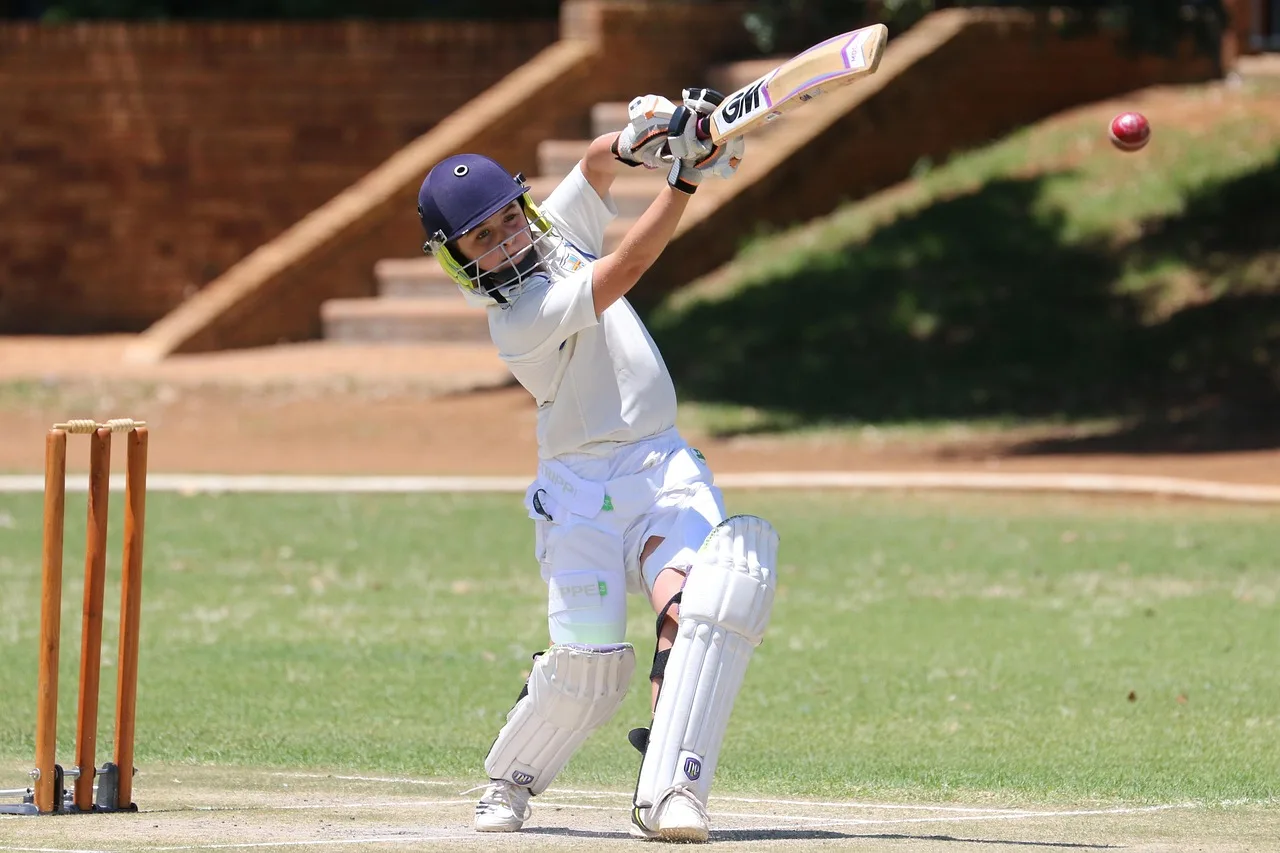
What Makes a Good Cricket Bat for Beginners?

A good beginner cricket bat is the lightest bat you can swing and control with a straight bat: the right size, a balanced pickup, and a sweet spot that matches your hitting zone, not oversized edges or a high grain count. A poor choice makes timing harder, encourages looping swings, and can slow technique from the first nets. This guide explains size, weight, willow grade, balance, handle shape, and the checks you can do before buying.
Choose for control and comfortable pickup
For a beginner, a good bat supports repeatable movement. It should fit the player, feel comfortable to lift and control, and suit the kind of cricket being played. That means size comes first, then pickup, then willow type, rather than chasing the biggest profile or the highest price tag.
The best beginner bat helps a new batter keep the bat face straight, find the ball cleanly, and avoid over-swinging. If the bat feels awkward in shadow swings, that awkwardness usually shows up in timing, grip pressure, and shot shape. This is why feel in hand matters so much.
Control first, power second
Beginners often want a bat that looks powerful. Start with control. A large profile can tempt a player into bigger swings before the technique is ready, while a controllable bat helps build a cleaner backlift and more reliable contact.
A useful way to think about a first bat is simple: does it let the player move the bat where it needs to go, without reaching or forcing the swing? If the answer is yes, the bat is doing its job.
Why feel in hand matters
“Feel” is not a vague idea. It is the mix of balance, grip shape, pickup, and how easily the bat moves through a shadow swing. A bat can be light on paper and still feel heavy if the weight sits too far in the blade. That mismatch can lead to slow bat speed and poor control.
Say your child can lift a 2 lbs 12 oz bat easily at address, but the same bat feels sluggish after three shadow swings. The listed weight is only part of the story. Pickup is the part that matters in motion.
How do you choose the right size?
The right size matches height, stance, and reach. Junior and adult sizing are different for a reason. A bat that is too long or too tall for the stance can change the bat path, make the bottom hand work harder, and create habits that are hard to fix later.
A common ranking guide makes the same point: children of the same age can differ in height, strength, and reach, so age alone is not enough. It also warns against automatically buying a larger bat for a child to grow into.
Height, stance, and reach
Stand the player in a normal batting stance and check where the bat sits when held at the side. The toe should not drag excessively, and the top of the handle should not force the shoulders up. The player should be able to set the bat behind the body without stretching the arms.
If the player has to choke up on the handle just to make the bat manageable, the size is probably off. That is not a small issue. It changes hand position, bat path, and the confidence to play straight.
Junior sizes vs adult sizes
Junior bats are built for shorter reach and lighter frames. Adult bats are built for adult hand size and movement patterns. Moving into adult size too early can create poor pickup and a cramped stance, even if the player is technically “old enough” to use one.
Picture a smaller beginner using a bat that is a size too large. The bat may look fine in a shop. In the nets, the player starts reaching for the ball, the backlift gets higher than needed, and control drops on anything outside the body line.
Why oversized bats cause problems
Buying oversized to grow into is a bad bet. The player has to learn on a tool that does not suit current movement, and that usually means compensation: extra wrist action, a slower swing, or a tendency to push at the ball. Good bat fit should work now, not sometime later.
Bat weight, pickup, and balance
Weight matters, but the listed number does not tell the full story. Bat weight and pickup are related but not the same thing. A bat with a sensible listed weight can still feel heavy if the balance is poor, while another bat can feel lively because the mass sits closer to the hands.
One competitor recommends a beginner bat weight between 2 lbs 10 oz and 2 lbs 14 oz, and calls 2 lbs 12 oz a popular choice for many newcomers. That can be a starting point, not a rule. The better question is whether the player can control the bat through the swing shape they need.
What pickup means in practice
Pickup is how heavy the bat feels when held and moved. It depends on balance and weight distribution. The check is simple: hold the bat in the normal grip, make a few shadow swings, then stop the bat where you want it. If the blade feels slow to arrive or hard to recover, the pickup is likely too demanding.
Beginners should hold the bat before they buy. One bat may feel easier than another even when the labels are close. That difference matters more than sticker design or grain count.
Front-heavy vs evenly balanced
A front-heavy bat has more weight concentrated in the blade. That can suit some aggressive hitters, but many beginners find it harder to manoeuvre. An evenly balanced bat usually feels easier to place and recover, which supports cleaner technique at the start.
| Bat feel | What it means | What a beginner is likely to notice |
|---|---|---|
| Front-heavy | More weight concentrated in the blade | More effort to start and stop the swing |
| Evenly balanced | Mass feels closer to the hands | Quicker pickup and easier control |
| Light but poorly balanced | Low listed weight, awkward distribution | Feels heavier than expected in motion |
Beginner bat decision checklist
Use this checklist as a yes/no filter before buying. If the answer is “no” to several items, keep looking. A beginner bat should fit the player, the ball, and the setting before it fits a budget or a brand preference.
- Does the bat match the player’s height, stance, and reach?
- Can the player hold it comfortably without changing grip shape?
- Does the pickup feel manageable in shadow swings?
- Is the bat suited to the ball being used?
- Is the bat suited to the playing surface?
- Does the handle feel natural in the hands?
- Does the balance support control more than raw force?
- Is the sweet spot in a useful position for the player’s style?
- Is the budget realistic for the level of cricket being played?
- Is the buyer willing to do basic preparation and care?
| Check | Yes means | No means |
|---|---|---|
| Size fit | Bat suits current height and reach | Do not buy to grow into |
| Pickup comfort | Shadow swings stay controlled | Weight distribution is wrong |
| Ball type | Bat matches soft ball, tennis ball, or leather ball use | The bat may be too much or too little for the game |
| Playing surface | Backyard, nets, or hard-ball cricket is accounted for | The bat may wear badly or perform poorly |
| Budget | Price fits the level and frequency of use | You may be paying for features the beginner does not need |
| Handle comfort | Grip feels natural | Control may suffer |
| Balance | Bat moves cleanly in the swing | Perceived weight may be too high |
| Intended format | Bat suits backyard, tennis-ball, or hard-ball play | The bat may be mismatched |
| Growth margin | There is a small, sensible amount of room | Oversized fit is likely |
| Maintenance willingness | You will knock in and care for it | Durability may drop faster |
Do not buy if warnings
- The bat is too long for the stance.
- The player cannot keep a straight bat in shadow swings.
- The pickup feels heavy even though the label looks light.
- The bat is being chosen only because it has big edges or flashy stickers.
- The buying decision ignores the ball type.
- No one is ready to do basic knocking-in or upkeep.
Which willow should a beginner buy?
For many starters, Kashmir willow is the practical entry point. Kashmir willow is generally more affordable and is commonly used for practice, backyard cricket, and rubber-ball setups. English willow is often chosen for harder-ball use and bigger budgets. The right call depends on what ball the beginner will face most often.
Kashmir willow for entry-level use
Kashmir willow is a sensible fit for many beginners because it is durable and can handle hard net sessions and rubber balls. It is often the better choice for players who are learning grip, stance, and basic stroke play, especially when the priority is getting a usable bat without overspending.
English willow for hard-ball play
English willow is the better match when the beginner is moving into leather-ball cricket and wants a bat aimed at that level of use. It is generally the more premium option. If the player is already committed to regular hard-ball cricket, that can justify the upgrade.
One beginner guide and one product page separate these options clearly: Kashmir willow and English willow are different beginner choices with different price points and playing characteristics. That difference matters more than brand labels.
How ball type changes the call
The ball changes the demand on the bat. Tennis balls and soft balls are generally less punishing than leather balls, so a beginner may not need to buy a hard-ball bat for a casual garden session. Buying for the wrong ball type can leave the player with the wrong feel and the wrong durability.
How do playing surface and ball type change the choice?
Playing surface and ball type should shape the bat choice just as much as size and weight. Backyard cricket, tennis-ball cricket, soft-ball cricket, and hard-ball or leather-ball cricket each ask for something slightly different. A bat that suits one setting can be a poor fit for another.
Backyard and soft-ball cricket
For backyard cricket and soft-ball setups, a beginner usually needs comfort and control more than premium performance. A Kashmir willow bat is often enough here, especially when the priority is practice and repeated basics rather than match-level output.
Suppose a parent buys a leather-ball-style bat for a child who only plays with a tennis ball in the yard. The bat may feel unnecessarily stiff and heavy in motion, and the player gets no benefit from the extra performance focus.
Tennis-ball cricket
Tennis-ball cricket puts less stress on the blade than leather-ball cricket, but the bat still needs good pickup and a manageable shape. A beginner can focus on control here, which means a bat that moves easily and does not invite over-hitting is usually the better pick.
Hard-ball and leather-ball cricket
For hard-ball or leather-ball cricket, the bat choice becomes more demanding. English willow is commonly preferred at competitive levels, while a beginner still needs the bat to fit the body and playing style. Durability and preparation matter more in this setting, because the bat takes more impact and more wear.
Blade shape, sweet spot, and handle feel
Blade shape influences how the bat swings and where it gives its best response. A mid-width blade can balance versatility and control, while a wider blade can help with power. For beginners, the safer choice is usually the one that makes the bat easier to place, not the one that looks largest.
Mid-width and wider blades
One competitor describes a mid-width blade around 107-108 mm as a balance between control and power. That makes sense for many beginners who need a bat that can handle more than one type of shot without feeling overly specialised.
Wider blades can suit players who want more hitting area, but they can also make the bat feel bigger in the hands. If the bat already feels hard to control, a wider profile can make the problem worse.
Higher and lower sweet spots
The sweet spot should match where the player tends to strike the ball. A higher middle can suit front-foot play. A lower middle can suit back-foot players. Beginners do not need a perfect match, but they do need a bat whose hitting zone makes sense for their natural movement.
Round vs oval handles
Handle shape affects grip comfort and control. A round handle can feel freer to rotate, while an oval handle can give a clearer hand position for some players. The right answer is the one that feels natural without encouraging squeezing or a crooked grip.
Bat care for beginners
Beginner bats need basic preparation and care. Knocking-in helps condition the blade. Light oiling, where appropriate, helps manage dryness. Toe protection can help the lower edge last longer, especially if the bat will see regular hard use.
Knocking-in basics
Knocking-in prepares the face and edges for play. It is part of how to make a cricket bat ready for use. A bat that skips preparation may wear faster and may be more prone to surface damage when first used against harder balls.
Light maintenance and oiling
Some bats need light oiling as part of care. The aim is not to soak the bat. The aim is to keep the willow from drying out too much. Store the bat in a dry place and avoid leaving it where heat or damp can damage it.
Toe protection
Toe wear is common, especially if the bat is used on harder surfaces. Toe protection can help extend durability. It is a sensible addition when the bat will see training nets, outdoor surfaces, or repeated impact from a harder ball.
Frequently asked questions
How do I choose a cricket bat for a beginner?
Start with size, then pickup, then willow type. The bat should fit the player’s height, stance, and reach, feel manageable in shadow swings, and suit the ball type and surface being used. A beginner bat is a technique tool first, so control matters more than size or sticker appeal.
Which cricket bat is best for a beginner?
The best beginner bat is the one that fits the player now and supports clean movement. For many starters, that means a balanced bat with manageable pickup, a sensible size, and a willow choice matched to the ball. A bigger or pricier bat is not automatically better.
What weight cricket bat should a beginner use?
There is no single best weight, but one guide places beginners between 2 lbs 10 oz and 2 lbs 14 oz, with 2 lbs 12 oz often a popular starting point. Use that as a reference only. A bat that feels easy to swing and recover is the better choice.
Should a beginner buy Kashmir willow or English willow?
Kashmir willow is usually the practical choice for many beginners, especially for backyard cricket, practice, and rubber-ball use. English willow is more suitable for leather-ball cricket and higher-performance use. The right answer depends on the ball type, how often the bat will be used, and the budget.
How do I know if a bat is the right size for me?
Check the bat against the player’s height, stance, and reach, not just age. The player should be able to stand naturally, hold the bat comfortably, and swing without reaching or crouching. If the bat forces a change in posture, the size is likely wrong.
Do beginners need to care about bat grains?
Not as a primary buying signal. Grains can be part of how a bat is described, but they do not replace size fit, pickup, balance, or suitability for the ball being used. For a beginner, those practical checks matter far more than appearance or grain count.