
When to Replace Your Cricket Bat Anti-Scuff Sheet

Replace a cricket bat anti-scuff sheet when a tear crosses the hitting area, when roughly a quarter or more of an edge lifts, or when the face no longer lies flat. At that point, the sheet is failing. If you leave it on, moisture, seam marks, and surface cracks can reach the willow and shorten the bat’s usable life. This guide shows how to judge serviceable sheets, when to reapply them, and when the bat face needs repairs first.
Anti-scuff sheet basics
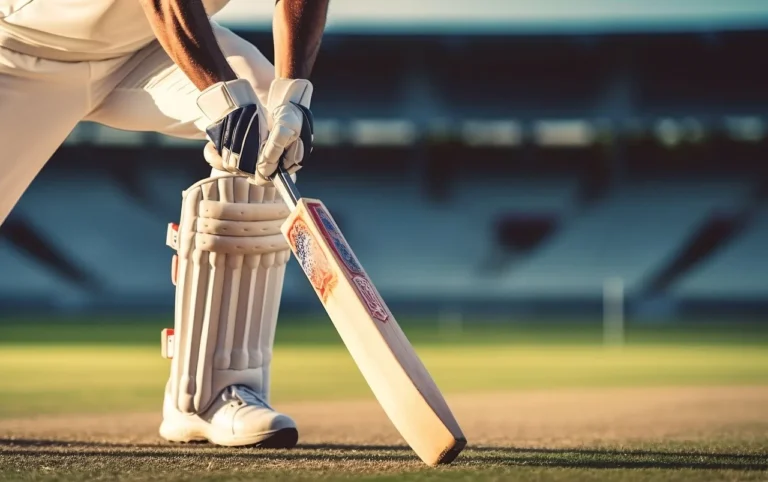
An anti-scuff sheet is a clear protective layer for the bat face, and some versions may also cover edge or side areas. Serious Cricket lists anti-scuff sheets as part of bat maintenance, alongside linseed oil, toe-guards, and a new grip when needed. That matters because face protection, toe protection, and handling all affect how long the bat stays usable.
The sheet does one job: it helps shield the cricket bat face from seam marks, surface abrasion, and weathering. It does not repair a split, hide a deep crack, or flatten a damaged face. If the willow is already exposed in a problem area, the sheet is a temporary cover at best, not the fix.
Availability and fit matter as much as condition. SF Anti Scuff Sheet is sold as a single pack, includes fiber tape in the middle and side for protection, and is available for adult bats only. That makes compatibility checks important before you peel off an old sheet or fit a new one.
When should I replace it?
Replace the sheet when visible wear stops it from staying flat or from covering the face properly. Cosmetic scuffs alone do not force a replacement. The main triggers are edge lifting, peeling, cracking, trapped moisture, adhesive failure, and any tear that reaches the hitting area or exposes willow.
Visible wear that is still acceptable
Light scratching, dulling, or shallow marks on the clear layer can be normal. If the sheet remains bonded, lies flat, and still covers the striking face, it can usually stay on. Small scuffs on the outer film matter less than separation, bubbles, or a gap that lets water or dirt reach the wood.
Signs the sheet has stopped protecting
Once the sheet starts lifting at the edges, curling near the toe, or bubbling across the hitting zone, protection drops fast. Dirt under the film, cloudy areas from trapped moisture, or surface cracks that run through the layer are all signs that the barrier has failed in that spot.
When to remove it before repair
If the face has a crack, dent, or soft area underneath the sheet, remove the film so the willow can be repaired before the sheet is replaced. The same applies when the adhesive has failed across a wide area or when the sheet is the wrong size for the bat. Covering damage without fixing it only delays proper work.
Anti-scuff sheet decision table
Use the table below as a direct check. Read the visible condition, decide what it means, then take the action that fits the bat face, not just the film.
| Visible condition | What it means | Action |
|---|---|---|
| Small scuffs on the clear layer only | Surface wear is cosmetic and the barrier is still intact | Monitor |
| Edge lifting on one side | Adhesion is starting to fail at the perimeter | Replace now |
| More than about 25% of an edge lifting | The sheet is no longer sitting securely on the face | Replace now |
| Peeling near the toe or splice | Moisture and dirt can work under the film | Replace now |
| Cracking across the middle of the sheet | The protective layer is splitting in the hitting zone | Replace now |
| Any tear crossing the hitting area | Protection has failed where ball contact is most frequent | Replace now |
| Bubbles or wrinkles that do not press out | The film is not bonded flat to the face | Replace now |
| Trapped moisture under the sheet | Water may already be reaching the willow | Remove and repair |
| Abrasions through the clear layer | The surface barrier is worn enough to expose the layer below | Replace now |
| Visible willow showing at an edge or tear | The bat face is exposed and needs direct attention | Remove and repair |
| Adhesive failure after removal and refit | The sheet can no longer stay fixed for normal use | Replace now |
| Compatibility mismatch with bat size or face shape | The sheet does not fit the adult bat correctly | Remove and repair |
Picture an adult bat with a clear sheet that still looks scratched but stays flat from toe to shoulder. That bat can usually remain in service. Now suppose the same bat has a lifted edge near the splice and a dark patch of trapped moisture under the film. That is a removal-and-repair problem, not a cosmetic one.
How do I know if my anti-scuff sheet is still protecting the bat?
A sheet is still doing its job when it stays bonded, lies flat, and keeps the face covered where the ball strikes. Check for lifted edges, loose corners, trapped dirt, bubbles, tears, and any place where the willow is visible through or around the film. If none of those are present, the sheet is usually still serviceable.
Face inspection points
Start with the middle of the bat face, then move to the shoulders, edges, and toe area. Look for seam marks that have cut through the clear layer, repeated abrasion in the same place, and any area where the film looks cloudy or split. Those signs tell you how much of the barrier remains.
Adhesion and moisture checks
Press lightly along the perimeter with a clean finger. A sheet that lifts, creases, or sounds hollow may have lost adhesion. If you can see moisture, fogging, or dirt trapped underneath, the film should come off so the face can dry and be checked for damage.
Fit and compatibility checks
Confirm that the sheet matches the bat’s size and face shape. An adult-bat sheet on a smaller face can overhang or wrinkle; a sheet that is too small leaves exposed willow. Adult bat size availability matters here, because a poor fit can fail even when the material itself is not worn out.
-
Check the face first.
Inspect the whole striking area under bright light. Look for tears, cracks, bubbling, and exposed wood, because those are the signs that matter more than simple scuffing.
-
Run an edge check.
Follow the perimeter with a fingertip and note any lift. If lifting spreads across a meaningful section of an edge, plan a replacement rather than a patch.
-
Inspect for moisture.
Look for fogging, dark patches, or trapped dirt under the film. Moisture under the sheet means the bat face needs attention before the next layer goes on.
-
Confirm the fit.
Make sure the sheet covers the face without overhang, gaps, or wrinkles. If the fit is wrong for the adult bat, remove it and choose the correct size before reapplying.
What else should you service at the same time?
Bat maintenance works best as a set of checks, not a single fix. Serious Cricket includes anti-scuff sheets, linseed oil, toe-guards, and grip replacement when needed in the same maintenance guidance. If one part is worn, the others may need attention too.
Cricket bat grip replacement
A worn cricket bat grip affects control, hand comfort, and how cleanly you present the bat face. If the grip has slipped, cracked, or gone smooth in the hands, replace it while you are already checking the face. That keeps handling consistent when the bat goes back into use.
Toe-guard condition
The toe sees water, abrasion, and ground contact. If the toe-guard is lifting, split, or missing in places, fix that before reusing the bat, because toe damage can travel upward. A sheet on the face does nothing for a weak toe.
Linseed oil and deeper face care
The same source says linseed oil helps protect against usage and weathering. Apply it when the face needs that kind of care, but do not trap moisture under a new sheet. If the face needs knocking-in or repair work, handle that before reapplying a film so the new layer bonds properly.
A common first-timer mistake is fitting a new sheet over a face that still has moisture under the old one. The result is cloudy adhesive, poor bonding, and a shorter service life for both layers. Dry, repair, then refit.
Can I replace just the scuff sheet without changing anything else?
Yes, you can replace only the sheet when the bat face is sound, dry, and properly shaped. That is the normal choice if the old film is worn but the willow underneath is still flat and intact. If the bat face has damage, though, the sheet should come off first and the repair should happen before a new one goes on.
When reuse is possible
Reuse is only reasonable if the sheet came off cleanly, still has good adhesive, and has not stretched or creased. Even then, reuse is risky if the fit changes after removal. A film that no longer sits flat on the adult bat should be replaced rather than forced back on.
When a fresh sheet is the better call
If the sheet has lost grip, shows cracking, or has been contaminated with dust or moisture, fit a fresh one. Reapplying a worn sheet often gives a weak bond and poor coverage, especially on the edges where lifting starts first.
When deeper bat maintenance comes first
If the bat face needs knocking-in, crack repair, toe work, or drying, do that before fitting a new sheet. Anti-scuff film protects a sound face; it does not seal active damage. The order matters because trapped faults become harder to inspect once the surface is covered again.
-
Remove the failing film.
Lift it slowly so you can see what was underneath. If adhesive residue or dirt remains, clean the face before any new layer goes on.
-
Inspect the willow.
Check for cracks, soft spots, and exposed fibres. If any of those appear, repair the bat face first instead of fitting another sheet over the same problem.
-
Refit only when sound.
Apply the new sheet to a dry, flat face with a correct fit for the bat size. That gives the adhesive the best chance to hold and keeps the protective layer where it belongs.
Frequently asked questions
When should I replace a cricket bat anti-scuff sheet?
Replace it when the sheet cracks, peels, lifts along the edge, or loses adhesion across the face. A few scuffs are normal, but once the film no longer lies flat or tears cross the hitting area, protection has dropped enough that replacement is the safer call.
How often should a cricket bat protection sheet be checked or renewed?
Check it before and after periods of regular play, and again after wet conditions or visible impact marks. There is no single calendar rule that fits every bat. A frequently used club bat needs closer inspection than a lightly used bat, because wear builds faster.
Is an anti-scuff sheet only for new bats?
No. New bats benefit from proper maintenance, but older bats can still use a sheet if the face is sound and the fit is correct. If the willow is already badly worn or cracked, the sheet should not be used as a cover for damage that needs repair first.
Do anti-scuff sheets affect bat performance or feel?
A properly fitted sheet should not change control in a dramatic way, but it can alter the surface feel slightly and add a small layer over the face. If the sheet wrinkles, lifts, or sits badly, it can affect how the bat looks and feels in the hands more than a flat, sound film would.
How to re grip a cricket bat or change a cricket bat grip
Pull the old grip off, check the handle for damage, and slide a new grip on from the top while keeping it straight. If the grip is tight, a small amount of water or grip aid can help it move. Replace it when worn, because a failing grip affects handling and control.
What else should be replaced or serviced at the same time as the scuff sheet?
Check the toe-guard, grip, and face finish at the same time. The same source lists anti-scuff sheets, linseed oil, toe-guards, and a new grip as part of bat maintenance. That sequence matters because a face that needs oiling, toe protection, or repair should be sorted before a new sheet goes back on.