How to Clean Tennis Racket Handle Safely at Home

Clean a tennis racket handle at home with a barely damp microfiber cloth and mild soap, using only enough moisture to lift dirt; if the grip still smells, stays tacky, or sheds, replacement is usually the safer step. Too much water can soak the pallet, weaken adhesive, and trap odor under the grip. This guide covers how to clean overgrips, replacement grips, and bare handles safely at home, plus when cleaning should stop and replacement should start.
Grip types and safe cleaning methods
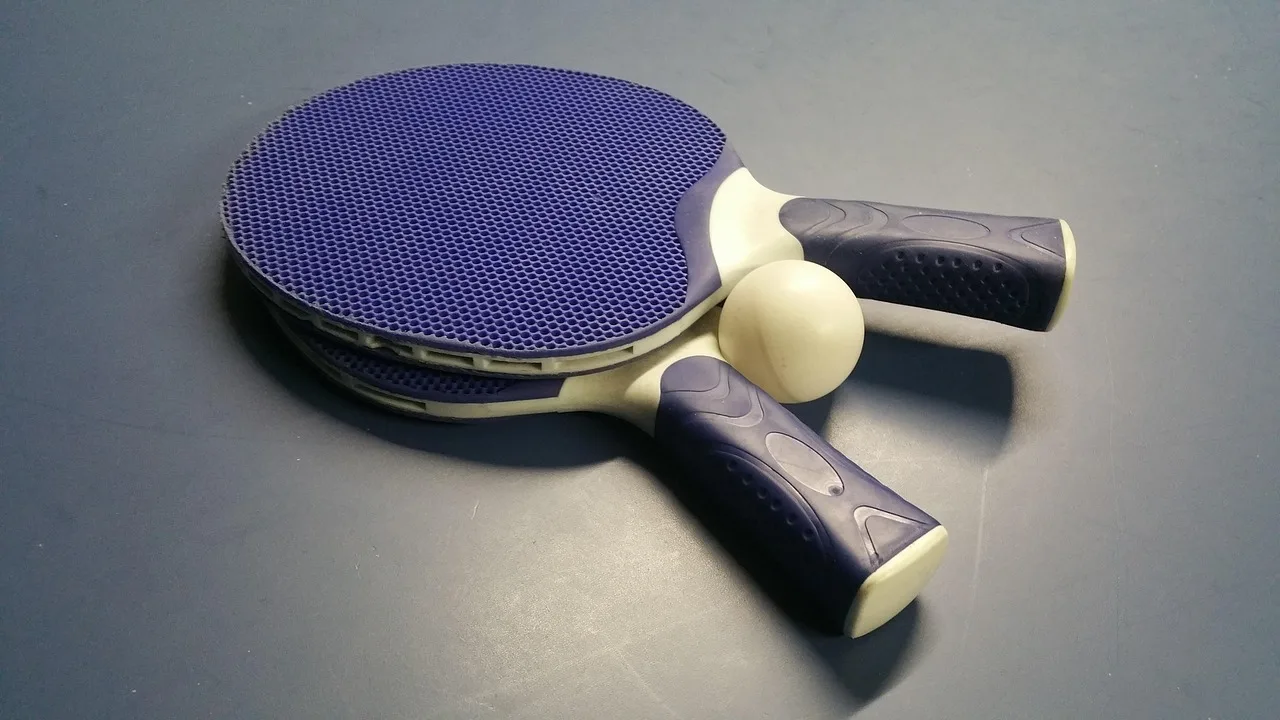
The part you clean is the grip section of the racket handle, not the strings or frame. Most players are dealing with one of three surfaces: an overgrip on top, a replacement grip underneath, or the bare handle if the outer layer is removed.
Moisture control matters because grip materials react differently. A soft overgrip can pick up sweat and skin oil quickly, while a replacement grip may have a bonded backing that can loosen if it is soaked. Keep the cleaning light and local.
Overgrip vs replacement grip
An overgrip is the thin wrap you replace often, usually because it gets dirty, slick, or frayed first. A replacement grip sits below it and is generally meant to last longer. Clean the outer layer first, and only move deeper if the overgrip is already gone or the underlying grip truly needs attention.
That difference changes the safe method. On an overgrip, a damp wipe is usually enough. On a replacement grip, use even less liquid and watch the seams, overlaps, and glued edges.
For routine cleaning, start with a dry wipe, then move to a barely damp microfiber cloth if dust, sweat, or skin oil remains. Use clean water at room temperature first. If that is not enough, add a few drops of mild soap to warm water, wipe the residue off, and dry the grip fully.
The aim is to remove dirt without wetting the handle. A soft microfiber cloth is a common general tool because it is lint-free, non-abrasive, and easy to control. Keep it damp, never dripping.
Dry wipe for light sweat and dust
If the grip only has light dust or a fresh film of sweat, a dry microfiber cloth may be all you need. Wipe along the wrap, following the handle shape, and stop as soon as the surface feels clean and dry again.
Damp microfiber cloth for routine cleaning
Routine cleaning should use clean water and a soft sponge or microfiber cloth. Dampen the cloth, then wring it out until it is just moist. Wipe the handle with short passes, then follow with a dry cloth to lift leftover moisture and grime.
Say your overgrip feels slightly greasy after a doubles session and has a dusty look near the throat side of the handle. A damp microfiber cloth is the right first step. If the surface still feels slick after that, move to a mild soap wipe rather than scrubbing harder.
When to use a mild soap solution
Use a mild soap solution when the handle has stubborn residue from sweat salts, sunscreen, or lotion. Mix a few drops of mild soap into warm water, then apply it with a cloth rather than pouring or spraying it onto the grip. Wipe the area again with clean water to remove soap film.
Do not leave soap behind. Residue can make the grip feel slippery and can attract more dirt. After the soap step, dry the handle immediately with a clean cloth and let it finish air-drying before you put the racket away.
What should you avoid on a tennis racket handle?
Avoid soaking the handle, using a dripping cloth, and scrubbing with abrasive towels. Also avoid window cleaner and alcohol wipes on grip materials that can dry out or stain. Heat sources like a hair dryer should never be used to speed drying.
Those products and shortcuts create the same risk in different ways. Too much liquid can travel under an overgrip, while harsh cleaners can dry out or stain grip material. Heat can curl the sheet and weaken glue adhesion on adjacent parts, so let the handle dry on its own.
No soaking or dripping cloths
The cleaning tool should be damp, never dripping. If water runs when you squeeze the cloth, it is too wet. Excess water can reach adhesive layers, loosen the wrap, and leave moisture trapped where you cannot see it.
No abrasive towels or harsh cleaners
Do not use rough towels, scouring pads, bleach, or strong solvents. These can wear the grip face down faster than normal play does. A soft microfiber cloth is the better default because it lifts dirt without tearing the surface texture.
No hair dryers, radiators, or direct heat
Air drying is the safe finish. Do not use a hair dryer, do not place the racket on a radiator, and do not aim direct heat at the handle. Heat can damage grip material and can drive moisture deeper into layers that should dry slowly.
Handle care decision table
Use this table to choose the least aggressive method that still solves the problem. If the grip is already worn out, replacing it is usually the cleaner decision.
| Grip condition | Safest home method | Drying time | Red-flag signs that mean replacement is better than cleaning |
|---|---|---|---|
| Light dust, fresh sweat, no odor | Dry microfiber wipe, then a barely damp microfiber cloth if needed | About 30 to 90 seconds before a protective film is applied; longer if the cloth left more moisture | Surface still feels slick after drying |
| Skin oil, sunscreen, or lotion residue | Microfiber cloth with clean water; if needed, a few drops of mild soap in warm water, then wipe off with clean water | Air-dry fully before storage | Grips that stay tacky or shiny after cleaning |
| Overgrip with edge lift, fraying, or thinning | Spot-clean only if you need a short-term finish; otherwise replace the overgrip | Dry before use; do not trap moisture under a fresh wrap | Loose edges, cracking, or a worn-through feel under the thumb |
| Persistent odor after a normal wipe | Replace the overgrip or replacement grip instead of trying to wash out the smell | Not worth a longer dry cycle if odor returns | Smell returns after drying, or the grip feels damp deep inside |
| Bare handle or underlying grip with visible damage | Minimal damp wipe only, then inspect for lifting or soft spots | Dry fully before any new wrap goes on | Softened backing, lifted adhesive, or distortion of the grip shape |
How do you clean sweat and grime off tennis racket grip tape?
Sweat salts, skin oil, sunscreen, and lotion are the main household contaminants on tennis grip tape. Start with a dry wipe, then use a damp microfiber cloth with clean water. If residue remains, switch to a mild soap solution with only a few drops of soap, then wipe the area again with clean water and dry it fully.
Do not scrub harder to force a clean result. A common first-timer mistake is trying to rescue a dark, slick overgrip with repeated wet passes. That often pushes the dirt around, soaks the wrap, and leaves the handle feeling worse than before.
Suppose the handle has sunscreen residue from an outdoor match and the surface looks blotchy near the top bevel. One light soap pass usually beats several wet wipes. If the grip still feels greasy after drying, the wrap is past routine cleaning and should be replaced.
Sweat salts and skin oils
These are usually the easiest to remove. A microfiber cloth dampened with room-temperature water is often enough. If the handle is tacky after that, use the mild soap mix and rinse the cloth in clean water before a final wipe.
Sunscreen and lotion residue
These residues cling more than plain sweat. Use the least moisture that can lift the film, then remove any soap left on the grip. If a sticky patch keeps returning in the same place, the overgrip may be worn through and absorbing residue into the layers below.
Odor that survives a wipe-down
Odor that comes back after drying usually means moisture and salts have settled deeper than the surface. Cleaning may help briefly, but replacement is often the better answer when the smell survives a normal wipe or the grip keeps feeling damp inside.
When should you replace the overgrip?
Replace the overgrip when it is loose, slick, cracked, or still smells after cleaning. That is the clean-or-replace rule in plain form: if a quick, low-moisture wipe does not restore a dry, secure feel, replacement is better than repeated washing.
Cleaning every two or three sessions can be enough in a clean, low-dust environment, and a quick wipe after every session is ideal for most club players. If the grip gets sweaty fast, short wipes matter more than deep cleaning because they keep buildup from hardening.
Do not try to save a wrap that sheds, peels at the seam, or feels padded in spots and thin in others. Those are wear signs, not cleaning problems.
How should you dry and store it after cleaning?
Air-drying only is the safe choice. After wiping, leave the racket in open air until the grip no longer feels cool or damp. Do not use a hair dryer, radiator, or other heat source.
For storage, keep the racket dry and out of enclosed moisture. Make sure the grip itself is dry before you cover or store the racket.
How long to wait before storage
Wait until the handle feels fully dry to the touch. If the cloth was too wet, give it more time before the racket goes into a bag.
Storage habits that keep the grip cleaner
Store the racket where air can move around it. Do not leave it trapped in a damp bag after play.
Frequently asked questions
How do I clean a tennis racket handle safely at home?
Use a dry microfiber cloth first, then a barely damp microfiber cloth with clean water if needed. If residue remains, add a few drops of mild soap to warm water, wipe the grip, wipe again with clean water, and let it air-dry fully before storage.
Can I use water to clean a tennis racket handle?
Yes. Clean water is the least aggressive routine cleaner for the handle, and it should be used sparingly. Keep the cloth damp, never dripping, and avoid soaking the grip or letting water run into the layers under an overgrip.
What should I avoid using on a tennis racket handle?
Avoid window cleaner, alcohol wipes, abrasive towels, bleach, harsh solvents, and heat sources like a hair dryer. Also avoid scrubbing hard or using a cloth that is wet enough to drip. Those choices can damage the grip surface or loosen adhesive underneath.
How often should I clean my tennis racket handle?
A quick wipe after every session is ideal for most club players. In a clean, low-dust environment, cleaning every two or three sessions can be enough. If the grip gets slick sooner, clean it sooner, but replace it when the surface no longer recovers.
Can I clean the handle without removing the overgrip?
Yes, as long as the overgrip is still in good condition. Clean the surface with the least moisture needed, and do not flood the wrap. If the overgrip is loose, frayed, or holds odor after drying, replacement is the better choice.