
How to Clean Golf Clubs at Home Without Damaging Them

Clean golf clubs at home with lukewarm water, a tiny amount of mild dish soap, a soft brush, and a microfiber towel; keep grips dry, avoid soaking woods and putters, and never use abrasives on grooves or finishes. Bad cleaning can strip plating, swell grips, loosen ferrules, dull faces, and turn rust into pitting. This guide covers safe steps for irons, wedges, woods, putters, grips, and rust-prone finishes, plus a mistake-proof checklist.
What you’ll need and how to clean each club type
Use warm water, a tiny amount of mild soap, and the right tool for each club type. Iron and wedge heads can soak briefly; woods, hybrids, drivers, and putters should be wiped, not submerged. Dry every head right away. Trapped moisture is the main cause of rust and finish damage.
What you’ll need
- Use warm water, about 100-110°F, for iron heads only.
- Mild dish soap with no bleach or citrus solvents
- A bucket or deep dish basin about 6-8 inches deep
- At least two microfiber towels: one for wiping, one for drying
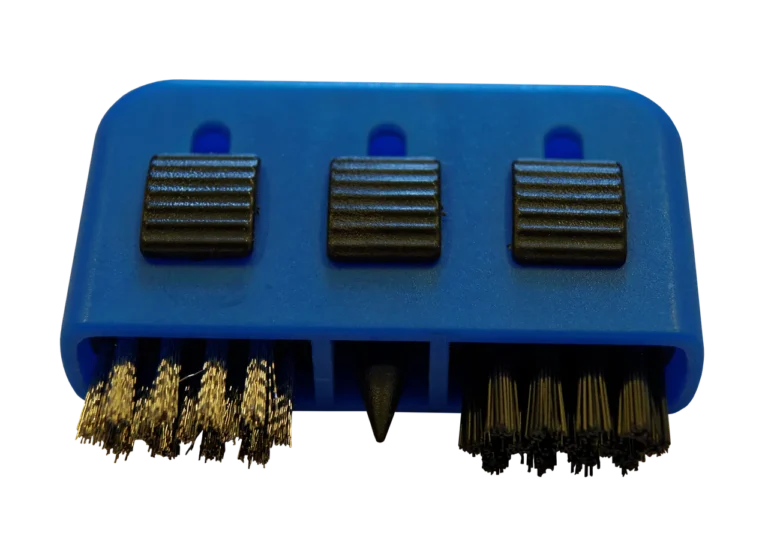
- A soft-bristled brush or dual-sided golf brush is commonly used for cleaning.
- An old toothbrush as a backup for grooves and edges
- A groove cleaning tool or a wooden tee
- A separate damp microfiber towel for grips
- Light oil or WD-40 for optional rust prevention on raw or unplated wedges
Golf club cleaning matrix
| Club type | Safe cleaning method | Soak? | Tool to use | Drying priority | Red-flag mistakes |
|---|---|---|---|---|---|
| Irons | Brief soak, then brush faces and grooves | Yes, 5-10 minutes | Soft-bristled brush, microfiber towel | High | Hot water, full-club immersion, soaking the ferrule |
| Wedges | Brief soak, then clean groove by groove | Yes, 5-10 minutes; up to 15 for caked mud | Groove tool or wooden tee, soft brush | Very high | Abrasive pads, long soaking, ignoring raw finish spots |
| Drivers | Wipe crown, face, sole, and hosel with damp cloth | No | Microfiber towel only, lightly dampened if needed | Immediate | Submerging, scrubbing painted crowns, wetting the shaft tip |
| Hybrids | Wipe clean with damp cloth and dry at once | No | Microfiber towel, soft brush for sole only | Immediate | Soaking, soaking the ferrule, harsh cleaners on paint |
| Putters | Wipe head and face gently; dry immediately | No | Microfiber towel, soft brush for deep milling | Immediate | Submersion, aggressive scrubbing, leaving moisture in sight lines |
| Grips | Separate damp wipe with tiny drop of soap | No | Separate damp microfiber towel | High | Over-wetting, soaking, using solvent-heavy cleaners |
-
Mix a mild solution. Fill the bucket with warm water around 100-110°F and add two or three drops of dish soap per gallon. Skip bleach and citrus solvents, which can harm finishes and dry out grips.
-
Sort clubs by type. Set aside irons and wedges for soaking, and keep woods, drivers, hybrids, and putters out of the basin. The ferrule is the black plastic ring where the head meets the shaft, and it should stay dry.
-
Soak iron and wedge heads. Place only the heads in the water for 5-10 minutes. For caked-on mud, the soak can extend to 15 minutes, but water should not reach the ferrule or run down the hosel.
-
Scrub faces and grooves. Use a soft-bristled brush or an old toothbrush to work across the face and into the grooves. On wedges, use a groove tool or wooden tee groove by groove for compacted dirt, then rinse the head lightly.
-
Dry immediately. Wipe with one microfiber towel, then dry with a second towel. This matters most for chrome plating, raw wedges, and any club with exposed metal, because water left behind can lead to rust spots.
-
Finish with protection. On raw or unplated wedges, apply a light oil or WD-40 after cleaning and drying. Use a thin coat only; the goal is rust prevention, not a wet residue that gets on the ball.
Say your 7-iron arrives with dried sand packed in the grooves after a wet round. A 10-minute soak in warm soapy water loosens the dirt, then a wooden tee clears each groove without scraping the face. That is safer than attacking the head with a metal pick or scouring pad.
Can I soak golf club heads in water?
Yes, but only iron and wedge heads belong in a soak, and even then the soak should stay short. Woods, drivers, hybrids, putters, grips, and the ferrule should stay dry. Full-club immersion creates avoidable risk, especially around painted crowns, epoxy bonds, and grip materials.
Soak-safe vs. wipe-only
Iron and wedge heads can soak for about 5-10 minutes in warm water with mild soap. If mud is heavily caked on, 15 minutes is the outer limit described in the guide. The ferrule should not be soaked because it can weaken the epoxy bond over time.
Woods, drivers, hybrids, and putters should never be submerged. Use a damp microfiber cloth instead, then dry the head immediately. A bucket or deep dish basin is for heads only, not full clubs.
How do you clean drivers and putters?
Clean drivers and putters with a damp cloth, not a soak. Wipe the crown, face, sole, and hosel area gently, then dry them right away. Painted crowns, face inserts, and specialty finishes are more sensitive than chrome iron heads, so less water is the safer choice.
-
Wipe the head first. Lightly dampen a microfiber towel and remove dirt from the crown, face, and sole. Do not wet the shaft tip or let water sit around the ferrule.
-
Use a soft brush sparingly. If dirt is stuck in shallow face texture or sole edges, use a soft-bristled brush with very light pressure. Avoid abrasive pads and hard metal tools that can scratch painted or plated surfaces.
-
Dry the head at once. Follow with a dry towel until no moisture remains on the face or hosel. That matters most on putters with fine milling and drivers with painted crowns, where water marks show quickly.
Picture a driver with mud on the sole after a rainy fairway. A damp towel and a quick follow-up dry are enough. A full bucket soak is not, because water can creep into seams and around the ferrule where it does not belong.
Should you clean golf grips too?
Yes, but keep the method separate from club-head cleaning. Wipe grips with a separate damp microfiber towel and a tiny drop of soap, then dry them fully. A wet grip can become slippery, and excess water can shorten grip life.
Grip-safe routine
-
Use a separate towel. Dampen a microfiber towel with plain water and add a tiny drop of soap if needed. Keep this towel away from the basin used for heads.
-
Wipe the grip lengthwise. Clean from top to bottom with light pressure. That removes skin oils and dirt without saturating the rubber or cord texture.
-
Dry before storage. Wipe the grip with a dry towel and leave it air-dry before putting the club back in a bag. Weekly cleaning can extend grip life by roughly 40%.
Common first-timer mistake: scrubbing a grip under running water until it feels clean, then storing it damp in the bag. That can leave the surface slick and can accelerate wear at the lower hand position.
How do you remove rust safely?
Start with gentle spot-cleaning, not aggressive scraping. Rust that has already formed on raw or unplated wedges should be treated after the club is fully dry. If the rust is light, careful cleaning may be enough; if it has pitted the metal, a cosmetic change may remain.
-
Dry the rusted area fully. Wipe the head until no moisture remains. Rust removal works better on a dry surface, and you can see how deep the spot is before you rub it.
-
Clean the spot gently. Use a soft brush or microfiber towel on the affected area. For stubborn residue, a little soap solution is safer than harsh metal polish or abrasive pads.
-
Protect the finish. On raw or unplated wedges, apply a light coat of oil or WD-40 after drying. That helps slow future oxidation, especially if the club is stored in a damp place.
If that didn’t work, stop before switching to coarse abrasives. Heavier rust or visible pitting may need a specialist refinish, because repeated scraping can remove more finish than the rust itself.
Common mistakes
The biggest errors are simple: too much water, too much force, and the wrong cleaner. Hot water may be harder on finishes and adhesives. Harsh chemicals can dull paint and plating. Abrasive pads can scratch faces and crowns in a way that never fully comes out.
- Soaking ferrules or letting water run into the hosel
- Submerging woods, drivers, hybrids, or putters
- Using hot water instead of warm water around 100-110°F
- Adding bleach, citrus solvents, or abrasive cleaners
- Scrubbing grooves with metal tools that can gouge the face
- Using the same towel for dirty heads and grips
- Skipping immediate drying after rinsing
- Over-wetting grips, which can make them slick and shorten life
A practical prevention step is to keep two towels in the cleaning area: one for wiping dirt off, one for final drying. That small split cuts down on missed moisture and makes it harder to carry grime from the heads onto the grips.
Frequently asked questions
How do I clean golf clubs at home without damaging the finish?
Use warm water, a tiny amount of mild dish soap, and a soft brush for irons and wedges, then dry everything immediately with microfiber towels. For woods, hybrids, drivers, and putters, use a damp cloth only. Avoid abrasive pads, hot water, bleach, and citrus-based cleaners.
What should I use to clean golf club grooves?
A soft-bristled brush is the safest general tool, and an old toothbrush works as a backup. For packed dirt in wedge grooves, use a groove cleaning tool or a wooden tee groove by groove. Avoid metal picks, which can scrape the face.
How do I remove rust from golf clubs safely?
Dry the head completely, then spot-clean the rust with a soft brush or microfiber towel. On raw or unplated wedges, finish with a light coat of oil or WD-40 after drying. If the rust has already pitted the metal, stop before using heavy abrasives.
Can I clean drivers and putters the same way as irons?
No. Drivers and putters should not be soaked. Clean them with a damp microfiber towel, use a soft brush only where needed, and dry them right away. Painted crowns, inserts, and specialty finishes need less water than iron faces.
How often should I clean my golf clubs?
Clean them after muddy or wet rounds, and give the full set a quick routine when grooves start to fill with dirt. A full set takes about 15 minutes with the right tools. Grips respond well to weekly cleaning if you want them to stay tacky longer.