Golf Club Sizing Chart by Height: How to Use It Correctly
Use a height chart as a first pass only, then confirm with wrist-to-floor and lie-angle checks before buying or bending clubs.

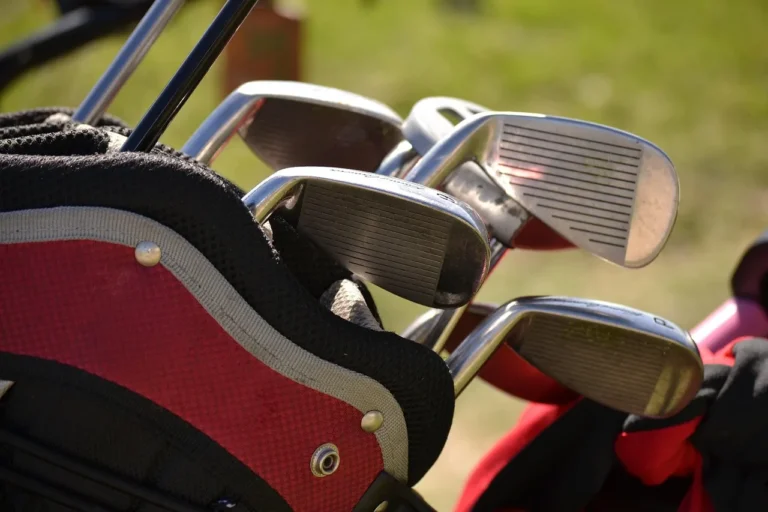
Use a height chart as a first pass only, then confirm with wrist-to-floor and lie-angle checks before buying or bending clubs.
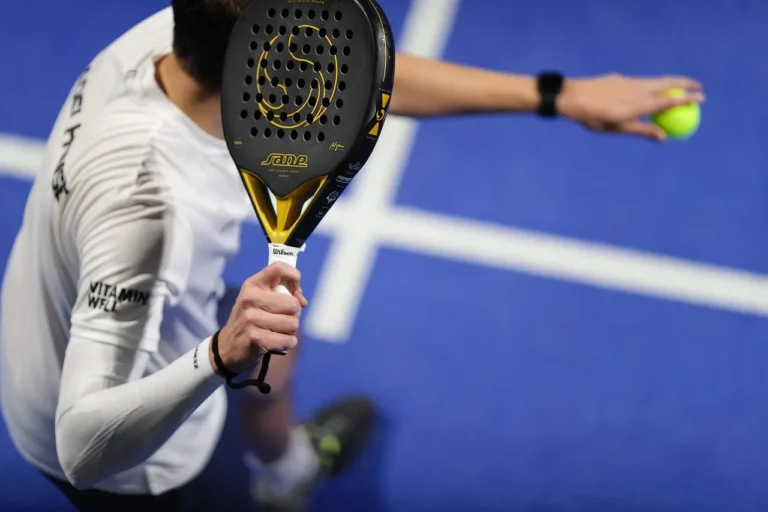
Start with comfort: choose a 7.8–8.2 oz paddle with a medium grip, then adjust for wrist comfort, control, and playing style.
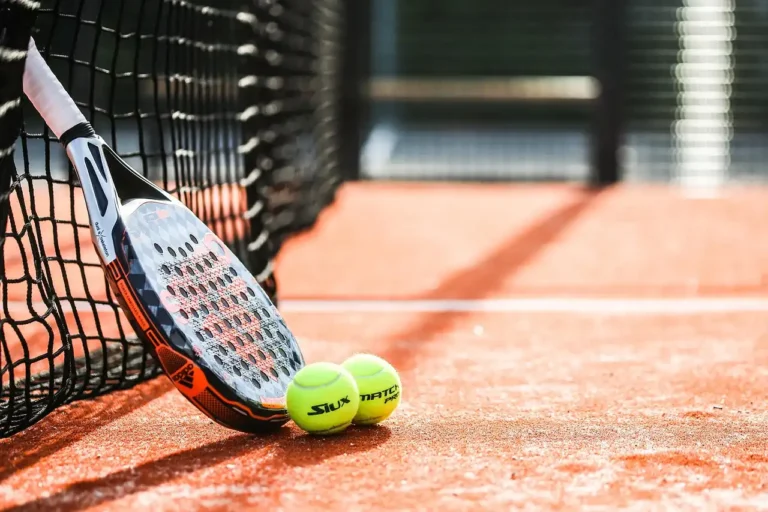
Choose a 27-inch racket with about 100 sq in of head size and 10.0–10.8 oz strung weight, then match grip size and balance to comfort.
Use a damp golf club cleaning brush only for dried mud or sand; scrub with short strokes and light pressure.
Indoor pickleball balls usually have 26 larger holes and a softer, lighter feel; outdoor balls usually have 40 smaller holes, a firmer shell, and hold up better in wind. This guide gives you a chart t
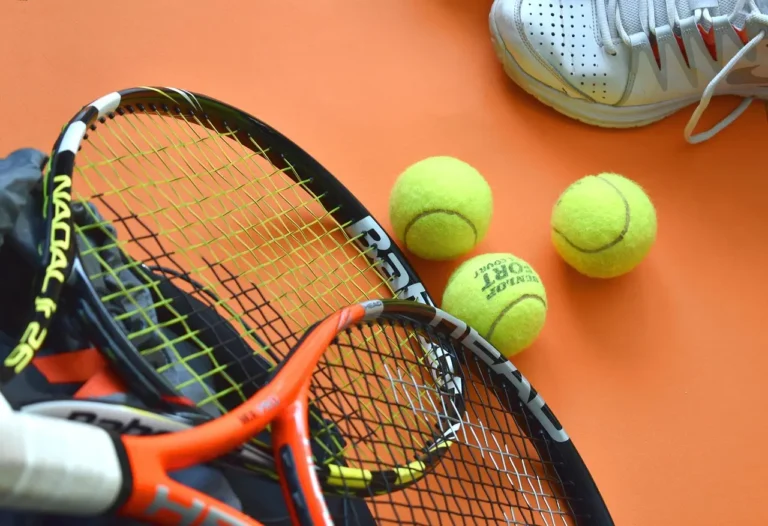
Type 1 is fast, Type 2 is medium, and Type 3 is slow, so you choose by pace, court, and practice goal.
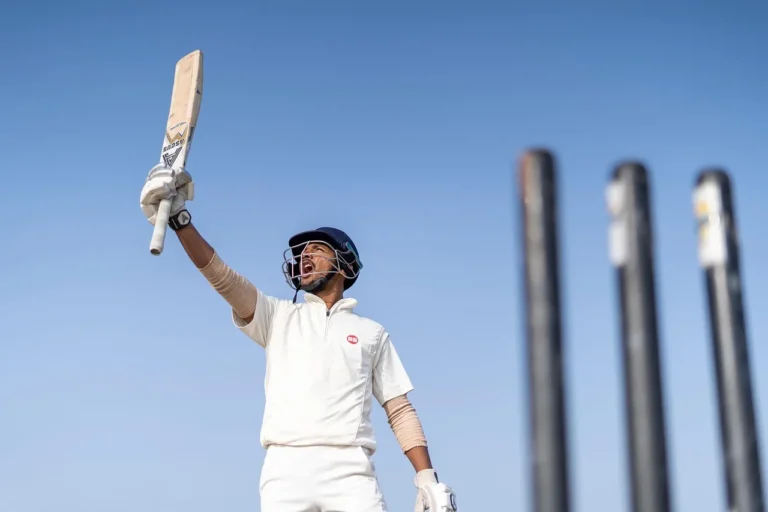
Choose bat size by height first, then use strength as the tie-breaker. This guide includes a junior size chart and balance check.
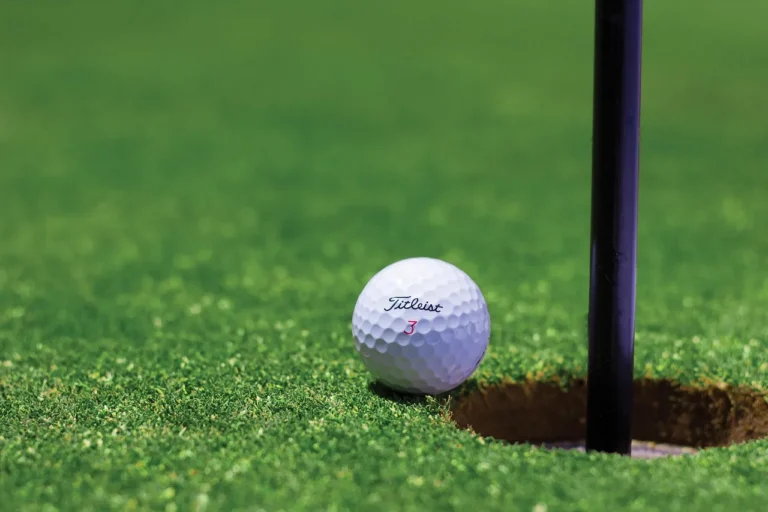
Yes, golf balls can matter for beginners when they change launch, spin, feel, or how often you lose balls; otherwise, buy the cheaper ball.
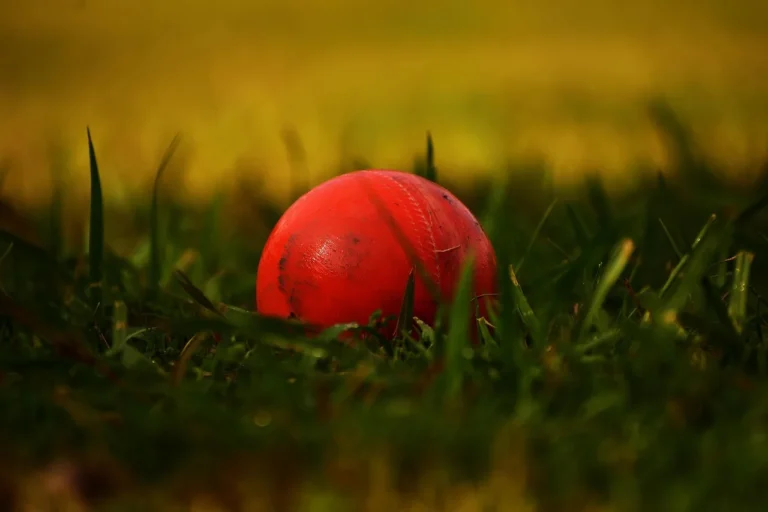
Cricket balls use a cork core, tight winding, leather cover, and stitched seam. Learn what each material does and how red, white, and pink balls differ.
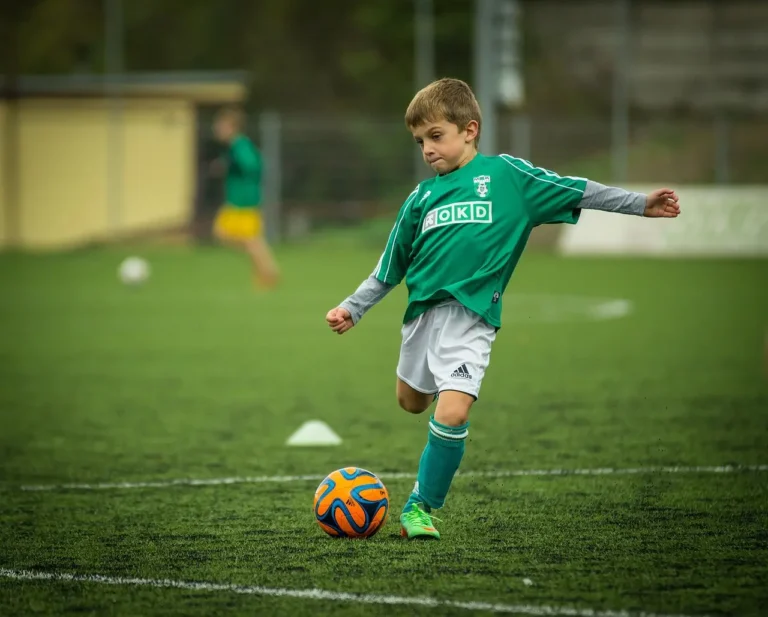
Size 5 is the full-size match ball for most players 13 and up; size 4 is the better fit for ages 8 to 12. Learn the size, weight, and use differences.