Golf Ball Compression Chart: How to Read and Use It
Match golf ball compression to driver swing speed to choose low, mid, or high compression for better distance, feel, and control.

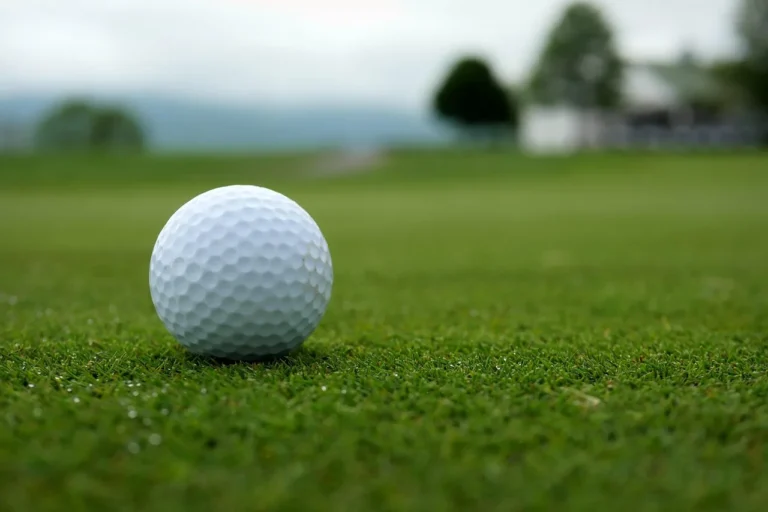
Match golf ball compression to driver swing speed to choose low, mid, or high compression for better distance, feel, and control.
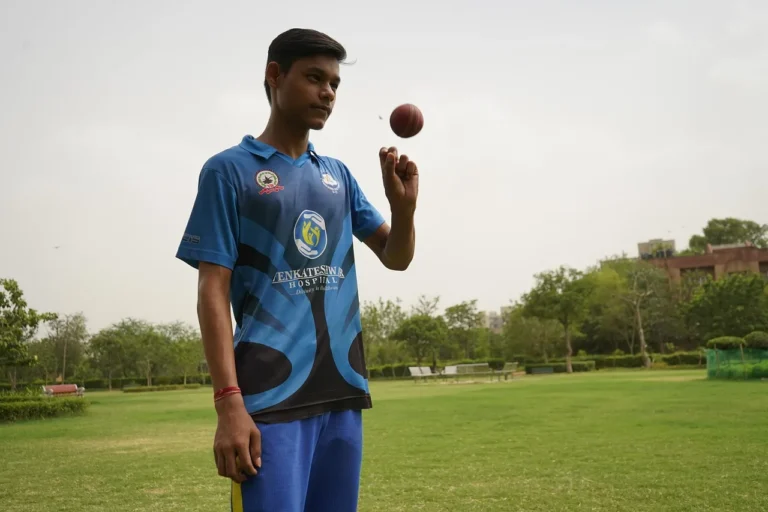
A cricket ball has a cork core, wound string, and a stitched leather shell. Learn how each layer affects bounce, swing, seam movement, and wear.
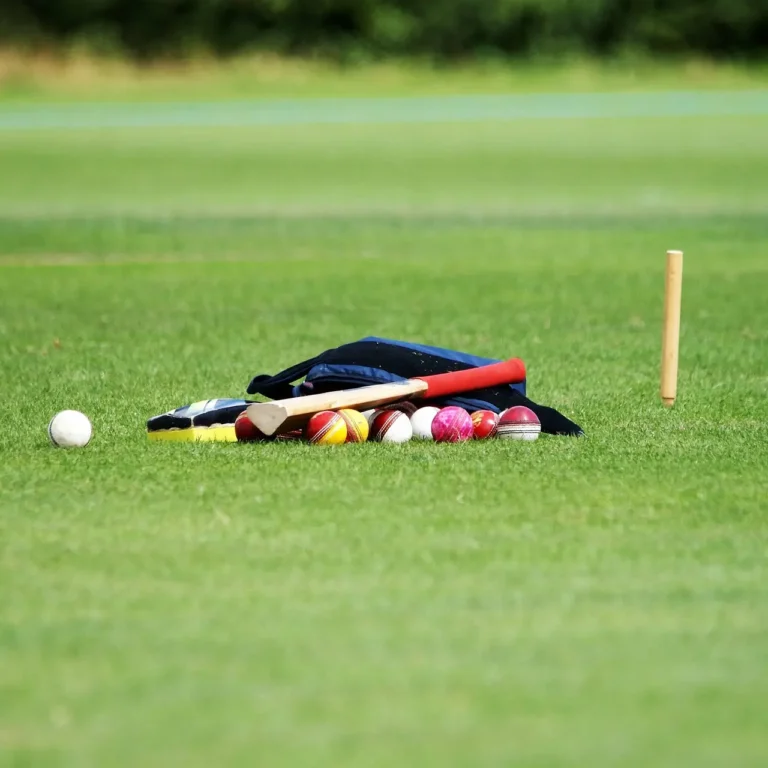
Most players use four cricket ball types: red, white, pink, and practice balls. This guide compares build, visibility, swing, seam, wear, and best use by format.
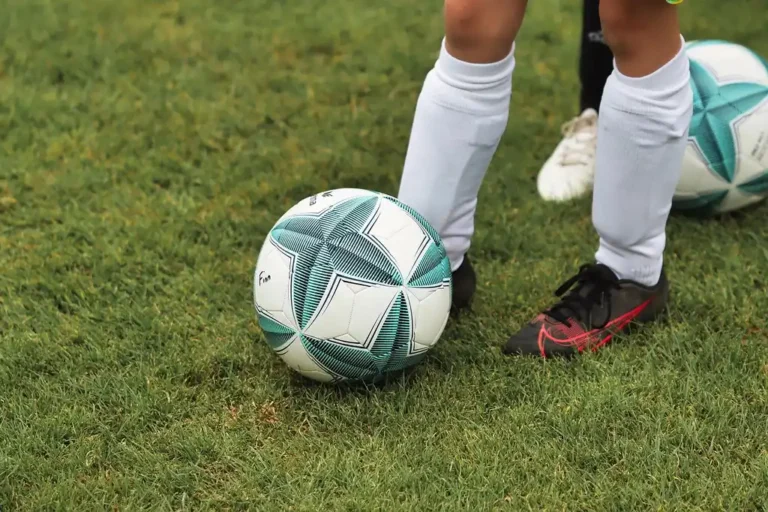
Size 3 fits younger kids best for control; size 4 works once they can manage the larger ball without losing technique.

Beginners should choose a paddle that fits their grip, weight, and control needs. This guide explains the most common beginner mistakes and how they affect forgiveness and progress.
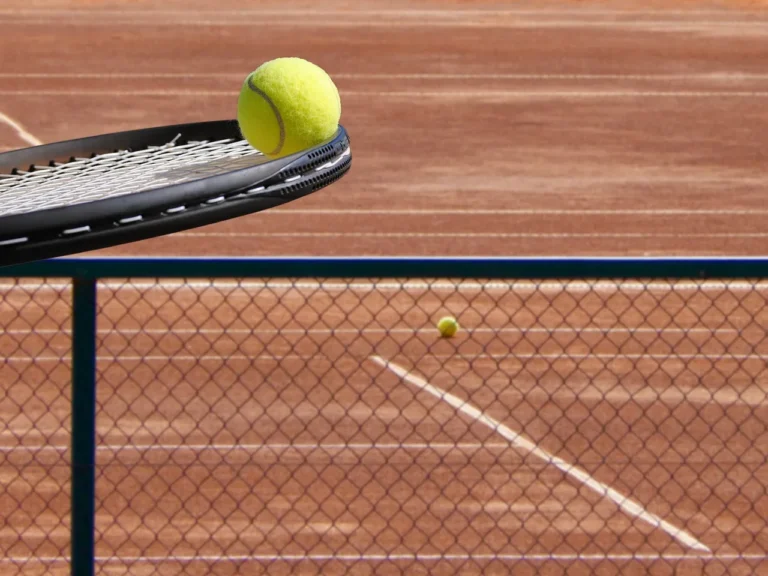
Use a damp microfiber cloth and mild dish soap first; only use isopropyl alcohol on painted, non-decal areas.
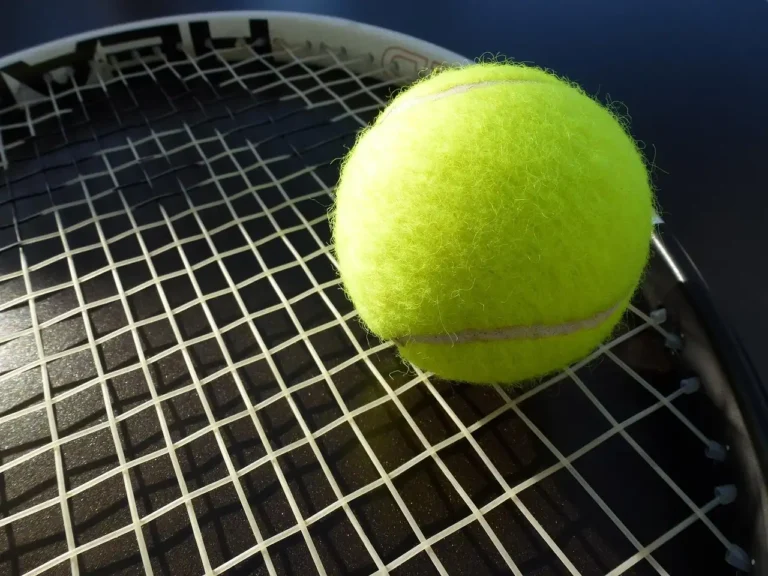
Choose a first adult tennis racket with a 100–105 sq in head, 10.0–10.6 oz unstrung weight, and a 4–5 point head-light balance.
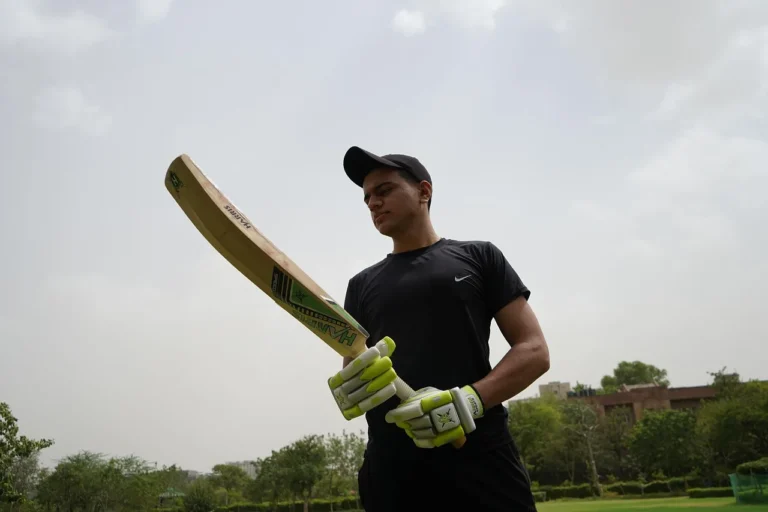
Store your cricket bat in a cool, dry place at 45% to 55% relative humidity, away from sun and heaters, and never in a sealed cover.
Remove insoles, brush out debris, wipe with a barely damp cloth, and air-dry the cleats fully to protect the lining and limit odor.
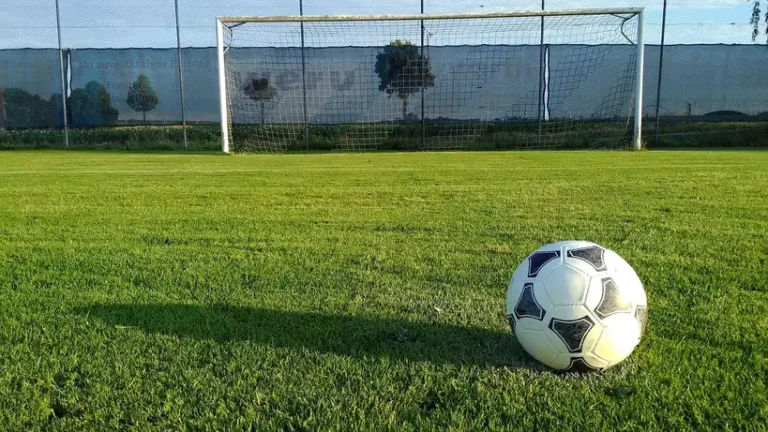
A standard training ball is the best practice pick for most players. Choose by size, surface, cover material, bladder type, and replacement cost.