What Is the Best Golf Club Care Kit and What Should It Include?

A golf club care kit is often built around a few basics, such as a soft nylon brush, a groove pick or plastic groove cleaner, microfiber towels, a pH-neutral cleaner, and a dry carry case. Wrong tools can scratch faces, strip finish, and pack dirt deeper into grooves. This guide explains what belongs in a kit, what you can skip, and which setup fits home use, travel, and finish safety.
Essential items for safe club cleaning
A good golf club care kit gives you the tools to remove dirt, dry metal and grips, clear grooves, and store everything without turning the bag into a wet mess. The best kits keep finish safety in mind, because black, chrome, and forged heads can show marks fast if the tools are too aggressive.
Core items for regular cleaning
Start with a soft brush, one microfiber towel, a groove cleaner, and a safe cleaning liquid. Those four items handle the work most golfers need after a round or at the range, and they do it without harsh household cleaners or abrasive pads.
A brush lifts mud from soles and faces. A towel dries clubs and hands. A groove tool clears compacted debris from irons and wedges. A cleaner loosens grime so water and wiping do less work.
Optional extras that stay useful
Golf tees and a ball marker can live in the same pouch, but they are secondary. They take almost no space and can help with a bag-ready kit, yet they do not clean clubs. A small clubhead cover also belongs in a travel setup if woods or a putter need transport protection.
Items that belong elsewhere
Leave steel wool, abrasive scrub pads, bleach, and strong bathroom cleaners out of the kit. These products can dull polished surfaces, mark painted finishes, and leave residue behind. A brush and mild solution do the cleaning job with far less risk.
Golf club care kit checklist
The right kit depends on where you use it. A bag-ready kit should be compact and dry fast. An at-home kit can be larger and more complete. The checklist below separates basic, mid-tier, and premium kits so you can match the contents to how often you play and how much cleaning you do.
| Kit level | Item | Purpose | Portability | Finish safety | Best for |
|---|---|---|---|---|---|
| Basic | Soft nylon brush | Removes loose dirt from faces and soles | High | High | Basic golfers who want a simple bag kit |
| Basic | Microfiber towel | Dries clubs, grips, and hands | High | High | Any golfer who needs quick cleanup |
| Basic | Plastic groove cleaner | Cleans irons and wedges without metal scrape risk | High | High | Golfers who want groove care without extra bulk |
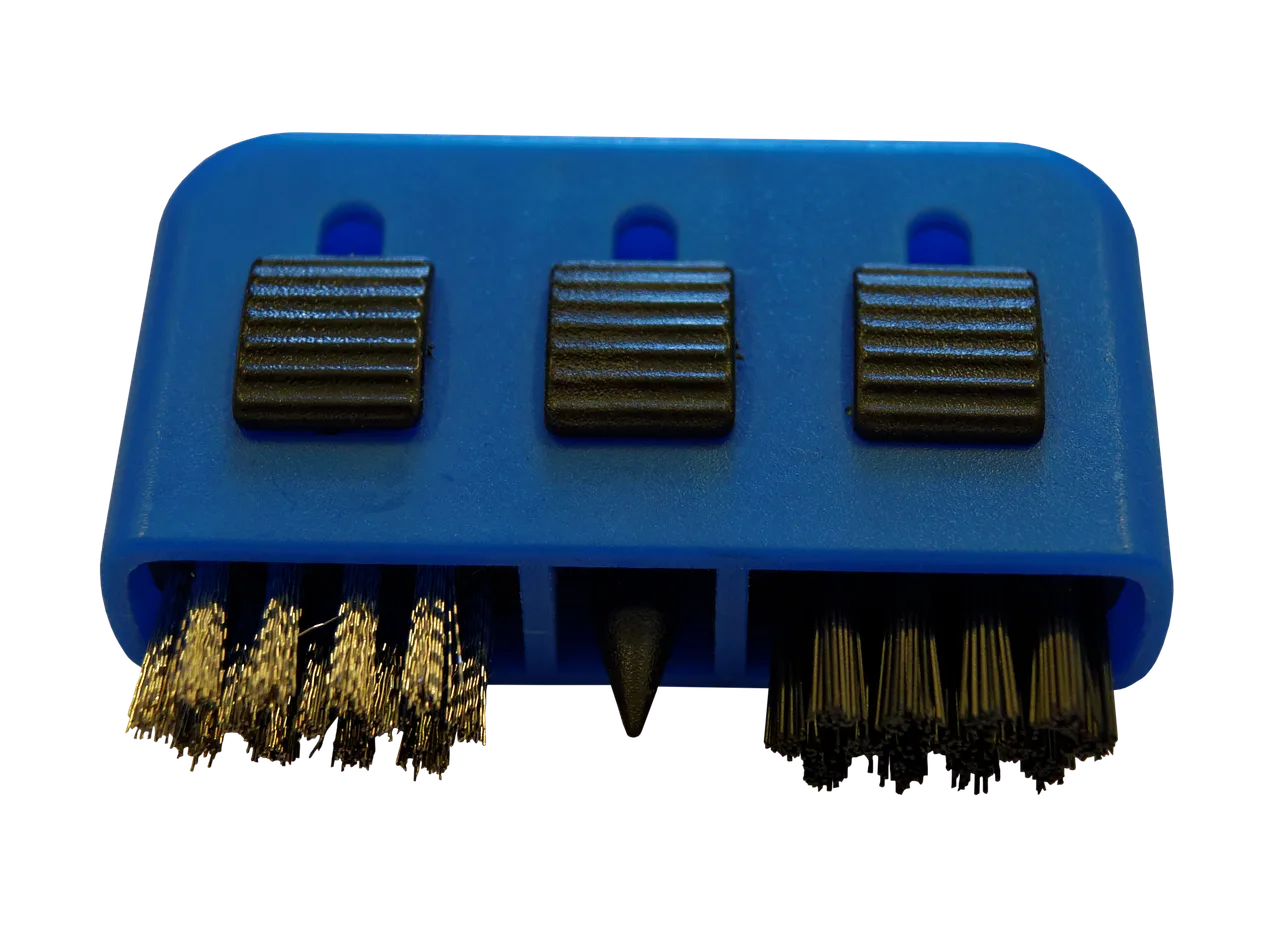
| Mid-tier | Dual-sided brush | Uses nylon for general cleaning and brass for stubborn mud | High | Medium to high, depending on use | Frequent players who face heavy dirt buildup |
| Mid-tier | Cleaner spray | Loosens grime and helps streak-free drying with water | Medium | High if labeled finish-safe | Players who clean clubs after most rounds |
| Mid-tier | Zippered pouch | Separates wet and dry items | High | High | Golf bag storage and travel use |
| Premium | Full-size towel set | Dedicated drying and polishing cloths | Medium | High | At-home cleaning and frequent maintenance |
| Premium | Concentrate cleaner | Mixed with water for larger cleaning jobs | Low to medium | High if mixed as directed | Home users who clean several clubs at once |
| Premium | Clubhead covers | Protects woods and putters during transport | Low to medium | High | Travel-first golfers with premium heads |
Basic kit contents
A basic kit typically includes a soft brush, a microfiber towel, a plastic groove cleaner, and a compact pouch. That is enough for most on-course touch-ups and post-round cleanup. If the brush has an attachment clip, it is easier to keep on the bag instead of buried in a pocket.
Mid-tier kit contents
A mid-tier kit often adds a dual-sided brush, a small bottle of safe cleaner, and a zippered pouch with separate wet and dry storage. This setup suits golfers who play often and want one kit for range days, rounds, and quick cleanups at home.
Premium kit contents
A premium kit usually leans more toward at-home use. Expect larger microfiber towels, a cleaner concentrate, a sturdy pouch or organizer, and clubhead covers for transport. This type makes sense if clubs stay in play often, especially if the set includes glossy black, chrome, or forged heads that need careful handling.
What makes a brush safe for club finishes?
The safest brush for modern club finishes uses nylon bristles for routine cleaning, with brass reserved for stubborn debris on sole edges or groove areas when used lightly. A brush that is too stiff can mark soft finishes, especially on black heads and polished chrome.
Nylon versus brass bristles
Nylon is the safer default. It works well for faces, soles, and grips, and it is less likely to scratch painted or coated surfaces. Brass bristles cut through packed dirt more quickly, but they should be used with caution and only when the club finish can tolerate firmer contact.
A practical rule is simple: use nylon first, brass only if needed, and never scrub with force. If the dirt does not move easily, add water or a cleaner instead of pressing harder.
Single-sided versus dual-sided heads
A single-sided brush is lighter and simpler. A dual-sided brush gives you more control because one side can handle general dirt while the other can target narrow groove lines or stubborn mud. For travel, single-sided is easier to pack. For frequent play, dual-sided is often more useful.
Clip-on storage and carry use
An attachment clip keeps the brush ready on the bag. That matters on-course, where a loose brush is easy to forget. If the brush will live in a pouch instead, make sure it dries fast and does not trap moisture against other items.
What should you carry in a bag-ready kit?
A bag-ready kit should stay small, dry, and easy to reach. The best version holds a compact towel, a short cleaner, a groove tool, and a pouch that separates wet items from dry ones. If the kit gets bulky, it becomes hard to keep on the bag all season.
Towel size and attachment
Choose a microfiber towel with enough surface area to dry a clubface and grip, but not so large that it drags on the ground. A clip or loop is important because it lets the towel stay accessible. Microfiber matters because it absorbs well and leaves less lint on polished surfaces.
Compact cleaner and groove tool
For a bag kit, a spray bottle or small concentrate bottle is better than a large home container. Pair it with a plastic groove cleaner or a small pick that stores safely in a sleeve or pouch. That keeps irons and wedges ready without adding hard edges that can scratch other gear.
Pouch layout for dry and wet items
A zippered pouch should separate damp towels from dry tools and accessories. That helps with bag organization and travel convenience. If the same pocket holds everything, moisture can spread to gloves, scorecards, and spare grips.
Say your round ends with wet fairway grass on two wedges and a muddy 7-iron. A compact bag kit with a small towel, a nylon brush, and a groove pick lets you clean the clubs before they go back in the bag, without soaking the other pockets.
How do you clean grooves without damage?
Use a groove cleaner that matches the club finish, then work from the center of the groove outward with light pressure. On irons and wedges, the goal is to remove packed dirt, not to scrape metal. Water or cleaner can soften debris before the tool touches the face.
Safe groove cleaner use on irons and wedges
Plastic groove picks are commonly a safer default for cleaning grooves. A brush-style groove tool can also work if the bristles are soft enough. For forged or plated heads, keep the tool moving gently and stop if the finish starts to show marks. The tool should clear debris, not carve the metal.
When to use water and solution
Use water first when dirt is fresh and loose. Add a finish-safe cleaner when grass or dried sand stays stuck in the grooves. A spray gives you direct control for on-course use. A concentrate makes more sense at home, where it can be mixed with water for larger cleanups.
What to avoid on soft finishes
Avoid metal picks pressed hard into painted or coated faces. Avoid abrasive pads, steel wool, and strong household degreasers. Those can dull black heads, mark chrome, and leave streaks on polished surfaces. If the dirt is stubborn, soak it briefly and then wipe, rather than scraping harder.
Suppose a black wedge has dried sand in the scoring lines after a bunker shot. A few drops of water, a soft brush, and a plastic groove cleaner will usually remove the grit cleanly. A metal scraper or rough pad can leave visible marks that stay on the head.
How do basic and premium kits differ?
Basic kits focus on portable essentials. Premium kits add more durable tools, larger towels, better storage, and transport protection for clubs. The gap is less about prestige and more about whether the kit lives in the bag or stays in the garage, car trunk, or laundry area.
Materials and durability
Basic kits often use lighter pouches, simpler brushes, and one towel. Premium kits usually upgrade to heavier fabric, stronger stitching, better zipper hardware, and more towel capacity. That matters if the kit gets moved often or stays exposed to damp conditions.
Portability versus full-home cleaning
A portable kit fits quick cleaning between holes or after a range session. A home kit can include a larger brush, full-size towels, a concentrate cleaner, and clubhead covers. If you clean clubs only once in a while, the portable version is usually enough. If you clean after every round, a fuller kit is easier to live with.
Best fit by golfer type
Basic golfers usually need the smallest bag-ready setup. Frequent golfers benefit from the mid-tier kit because it balances cleanup speed and storage. Travel-first golfers should look for a pouch with wet and dry separation plus head protection for woods and putters. That split matters more than brand labels.
Golf club cleaning liquid and cloth choices
Choose a cleaner that says safe for finishes and dries without streaking. Pair it with microfiber cloths that do not shed lint. That combination handles chrome, black, and forged heads well, and it also works on grips and shafts when a full wipe-down is needed.
Spray versus concentrate
A spray is better for bag use because it is ready immediately and easier to control in small amounts. A concentrate is better for at-home cleaning because it can be mixed with water for larger batches. Either one works if the formula is finish-safe and used as directed.
Microfiber cloth features
Microfiber should be lint-free, absorbent, and easy to fold into a compact square. It works well for face cleaning, shaft wiping, and final polishing. A larger cloth can handle more clubs, while a smaller cloth packs better in a pouch. Many golfers keep one damp and one dry.
Streak-free drying
After cleaning, dry the head and shaft fully before putting the club back in the bag. Water left on metal can leave spots, and moisture trapped in a cover can slow drying further. A dry microfiber cloth is the last step, not an optional one.
Frequently asked questions
What is the best golf club care kit?
The best golf club care kit matches your play style, but the safest all-around setup includes a soft nylon brush, a microfiber towel, a plastic groove cleaner, a pH-neutral cleaner, and a dry pouch. That mix handles on-course cleaning, home cleaning, and finish protection without adding unnecessary bulk.
What should a golf club care kit include?
A useful kit should include a brush, towel, groove cleaner, safe cleaning liquid, and storage pouch. Optional extras include tees, a ball marker, and clubhead covers. The key is choosing tools that clean grooves, dry fast, and do not scratch black, chrome, or forged finishes.
Do I need a brush, towel, and groove cleaner?
Yes, those three items are the core of a practical kit. The brush removes loose dirt, the towel dries the club, and the groove cleaner clears packed debris from irons and wedges. Without all three, the kit usually feels incomplete and less useful on the course.
How often should I clean my golf clubs?
Clean clubs after any round where faces or grooves pick up dirt, sand, or wet grass. At minimum, give them a quick wipe when they are visibly dirty and a deeper clean whenever grime settles into the grooves. Regular cleaning also helps you spot wear, dents, and loose grips sooner.
What is the difference between a basic and premium golf club care kit?
A basic kit covers the essentials in a compact format, while a premium kit usually adds stronger materials, larger towels, better storage, and transport protection. Basic kits suit casual use. Premium kits make more sense for frequent players and golfers who clean clubs at home as well as on the course.
Are club cleaning sprays or wipes better?
Sprays are usually better because they let you control how much cleaner you use and work well with a microfiber cloth. Wipes are convenient in a pinch, but they can run out fast and may not clean grooves as well. For regular use, a small spray bottle is the better buy.