How Is Golf Ball Compression Measured and Rated?
Compression is a firmness rating under load. Lower numbers mean softer feel and more deflection; higher numbers mean a firmer ball.


Compression is a firmness rating under load. Lower numbers mean softer feel and more deflection; higher numbers mean a firmer ball.
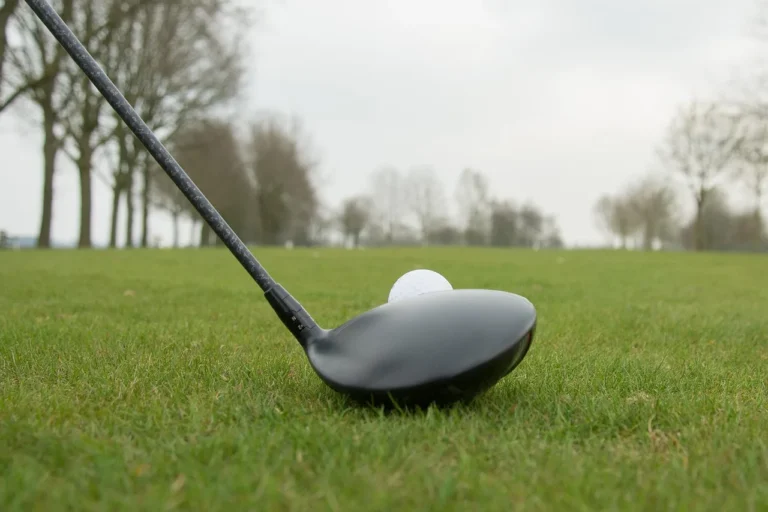
Use height and wrist-to-floor to pick a starting golf club length, then adjust for lie angle, strike pattern, and when a fitting should overrule the chart.
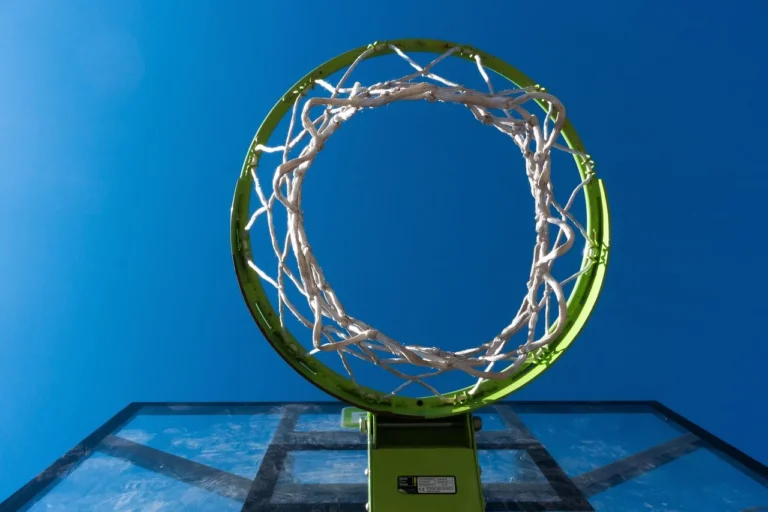
Wilson NBA DRV is the best starting point for rough outdoor courts if durability matters more than a soft indoor feel.
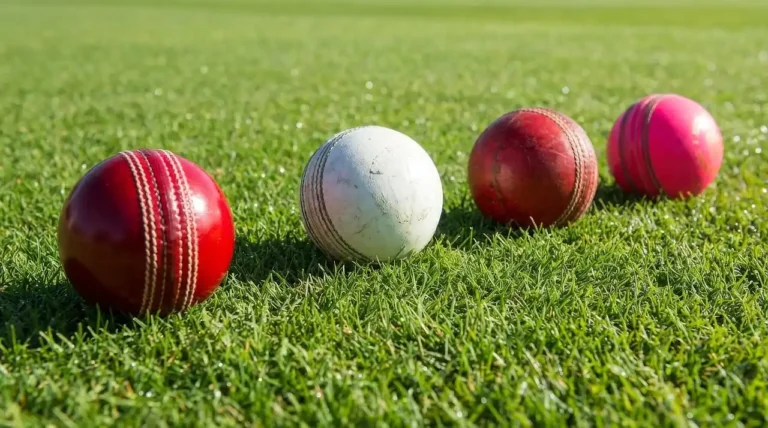
Red balls suit long-format cricket, white balls are used for limited-overs matches, and pink balls are made for day-night Tests.

Pick a size 4 or 4.5 soccer ball with a soft touch, low-bounce bladder, and machine-stitched panels for easier juggling.
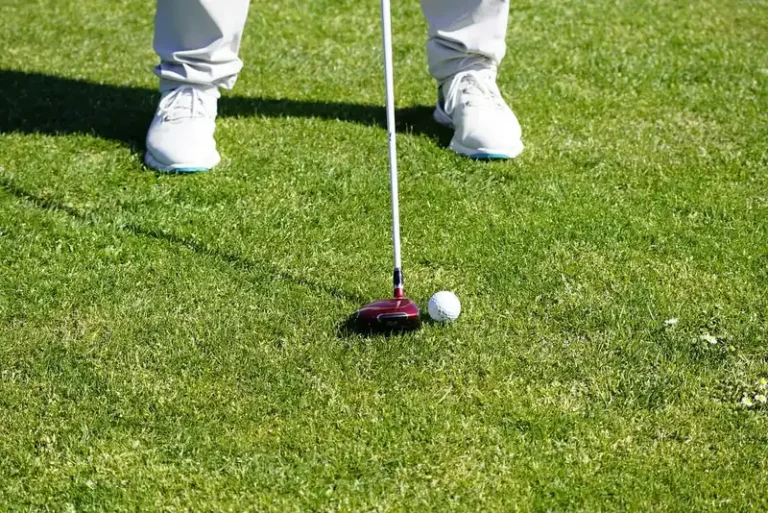
Size junior golf clubs by height first, then confirm fit with driver and 7-iron length. This page explains the checks that show when a child needs the next size up.
Inflate a basketball to the printed PSI with a lubricated needle and a pump gauge. Get valve-safe steps, tool tips, and a better pressure check than a bounce test.
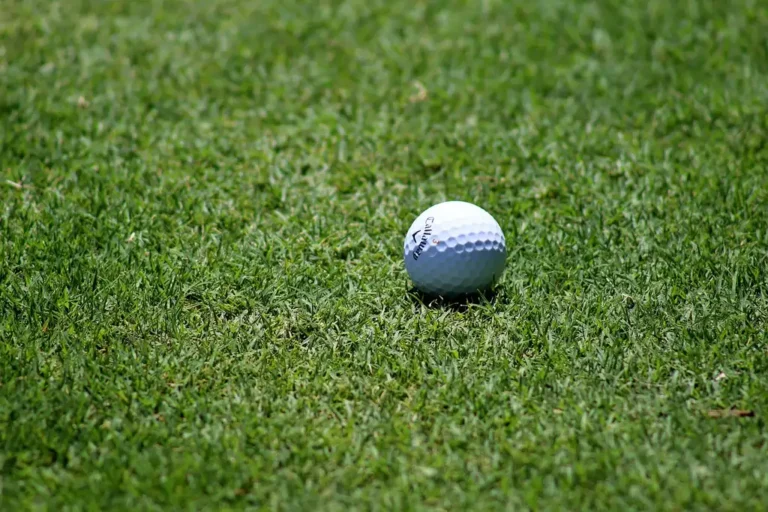
Golf ball compression affects feel, launch, spin, and carry. Match compression to swing speed, then factor in cover material and weather.

Use size 4 for ages 4-8, size 5 for 9-11, size 6 for most 12+ girls and 12-13 boys, and size 7 for boys 14+ or league play.

Choose a beginner tennis racket with a 100-105 sq in head, 10.0-10.8 oz strung weight, and specs that help with late contact, mishits, and arm comfort.