How to Clean Tennis Racket Grip Without Damaging It
Clean a tennis racket grip safely by grip type. Learn when a damp cloth is fine, when to dry brush, and when replacement is the better move.

Clean a tennis racket grip safely by grip type. Learn when a damp cloth is fine, when to dry brush, and when replacement is the better move.

Choose pickleball ball types by court surface, weather, noise limits, and sanctioning, with clear uses for indoor, outdoor, and quiet foam balls.
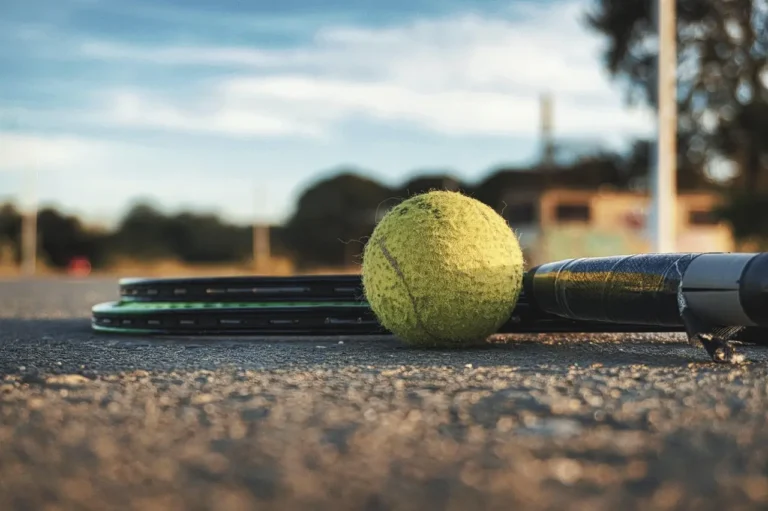
Choose tennis balls by court surface first, then by player level and purpose. This guide compares regular-duty, extra-duty, high-altitude, pressureless, and stage balls.

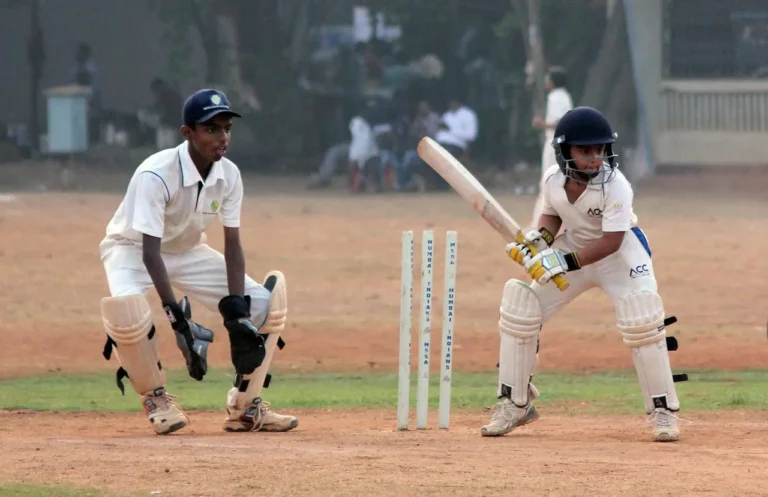
Choose your first cricket bat by matching ball type, player size, and practice volume. Covers size, weight, setup, care, and when to upgrade.
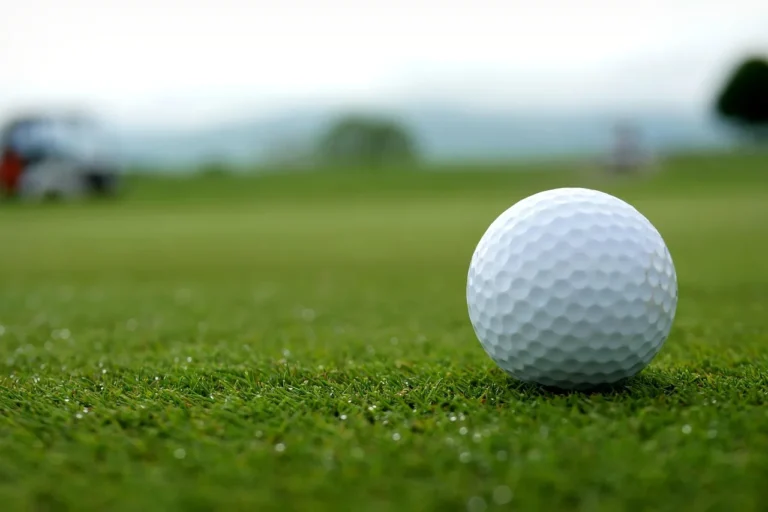
Most beginners should start with a 2-piece ionomer ball in the $20-$30 per dozen range, with lower compression only for driver speeds under about 85 mph.

Measure tennis racket grip size at home with the finger-gap test, then confirm it with a ruler. Learn how overgrips affect fit and what to do with borderline sizes.
Use a dry microfiber cloth first, then a barely damp cloth only for grime. This guide covers the face, edges, splice, handle, grip, toe, and drying limits.
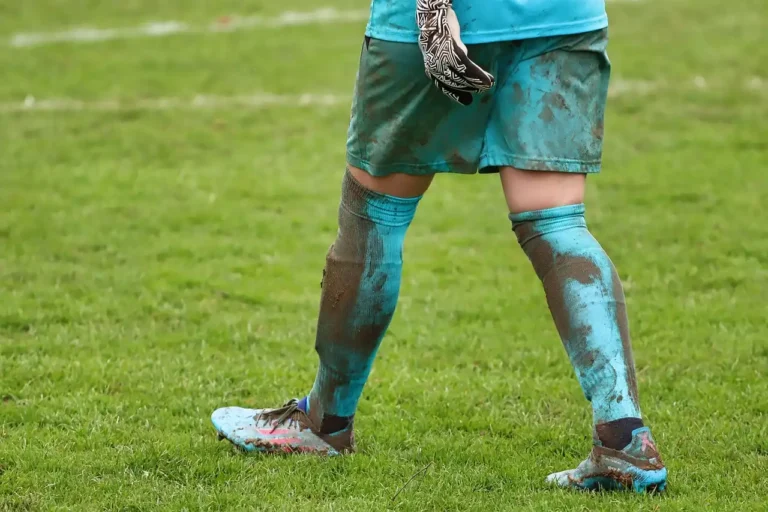
Let mud dry 15 to 30 minutes, then brush off clumps, wipe with a damp cloth, and air-dry with paper inside.
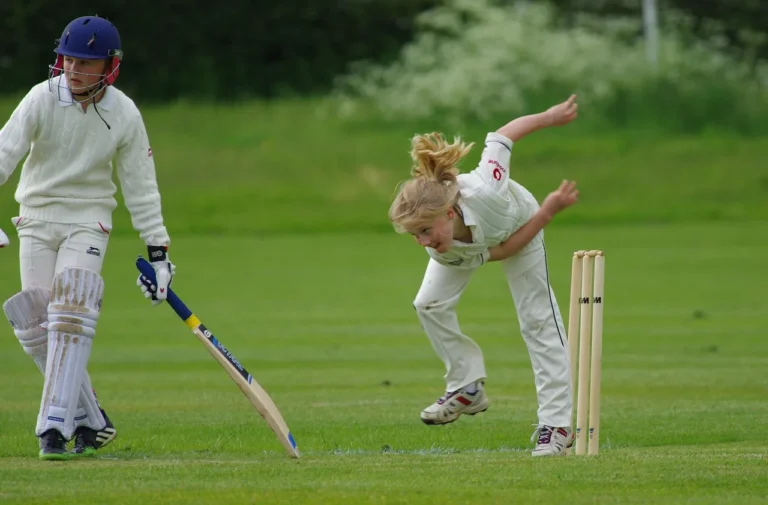
Use age first, then check height and strength. This guide maps each junior cricket bat size to the right age band.
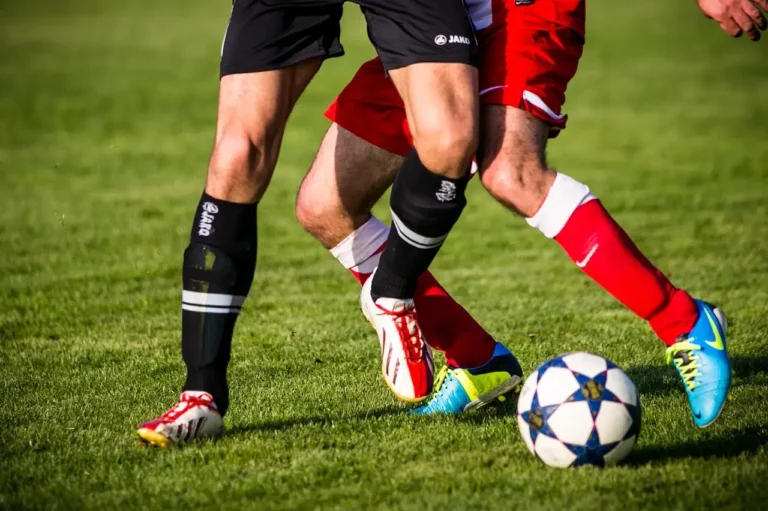
Beginners can wear sneakers only on short, dry, flat surfaces; cleats are safer for turf, grass, mud, and uneven fields.